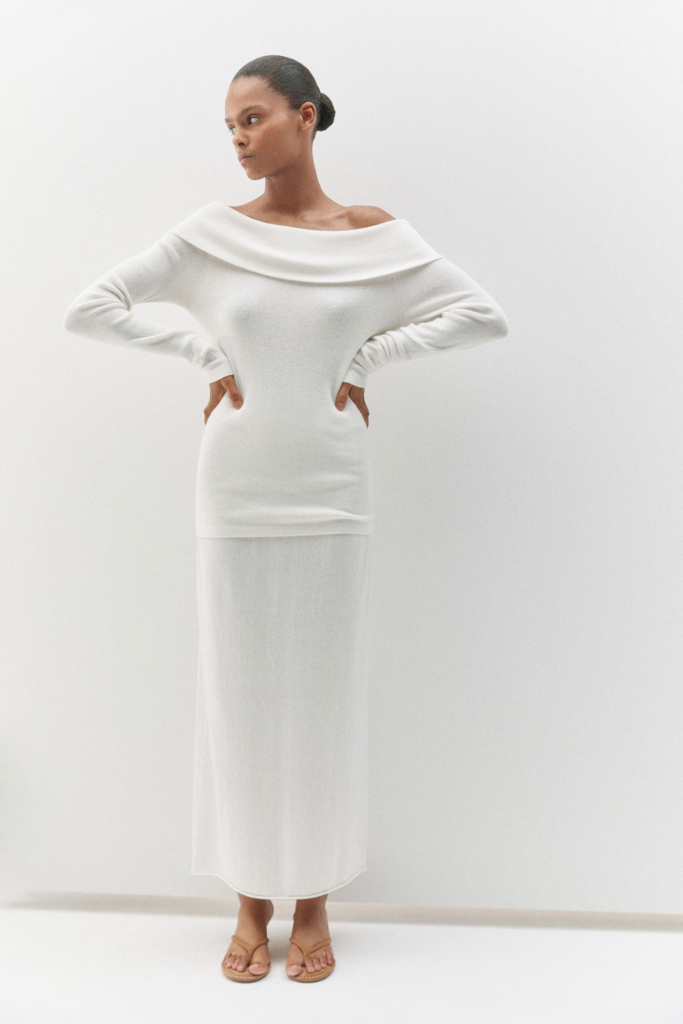
Lisa Yang on Redefining Cashmere
In an industry increasingly defined by speed and spectacle, Lisa Yang has built her namesake label on something far more enduring: fibre, feeling, and restraint. From her Stockholm base, the founder of LISA YANG is quietly reshaping the narrative around cashmere—bridging the artisanal traditions of Inner Mongolia with the clean lines of Scandinavian design.
Yang reflects on childhood memories among cashmere goat herders, the evolution of summer cashmere, and why true luxury today is about longevity, not logos.
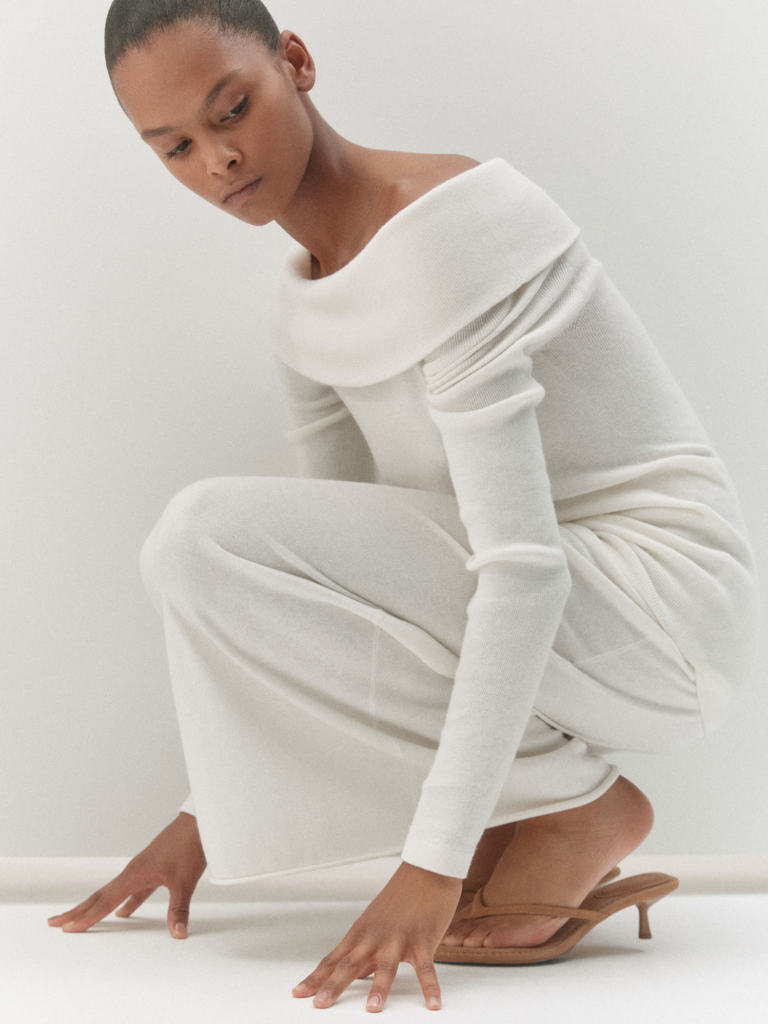
From Inner Mongolia to Stockholm: The Origins of LISA YANG
“My relationship with cashmere began in early childhood,” Yang tells us. Growing up close to Inner Mongolia, she visited cashmere goat herders with her parents—experiences that left a lasting imprint.
Her mother’s love for fashion, combined with a family background in manufacturing, nurtured a deep respect for craftsmanship and material integrity. Cashmere was never just a fabric; it was a cultural and familial legacy.
Years later, after relocating to Stockholm, that early connection resurfaced. “When I arrived and experienced the cold weather resembling the winters back home, I realised that no brand here offered the finest quality cashmere knitwear that I knew. It was mostly standardised cashmere blends.”
What began as a personal project—creating sweaters for her children—soon evolved into something larger. Encouraged by a wholesale partner to develop a women’s collection rooted in pure cashmere, Yang launched LISA YANG with a singular focus: uncompromising quality and timeless knitwear.
The Creative Process: Why Cashmere Comes First
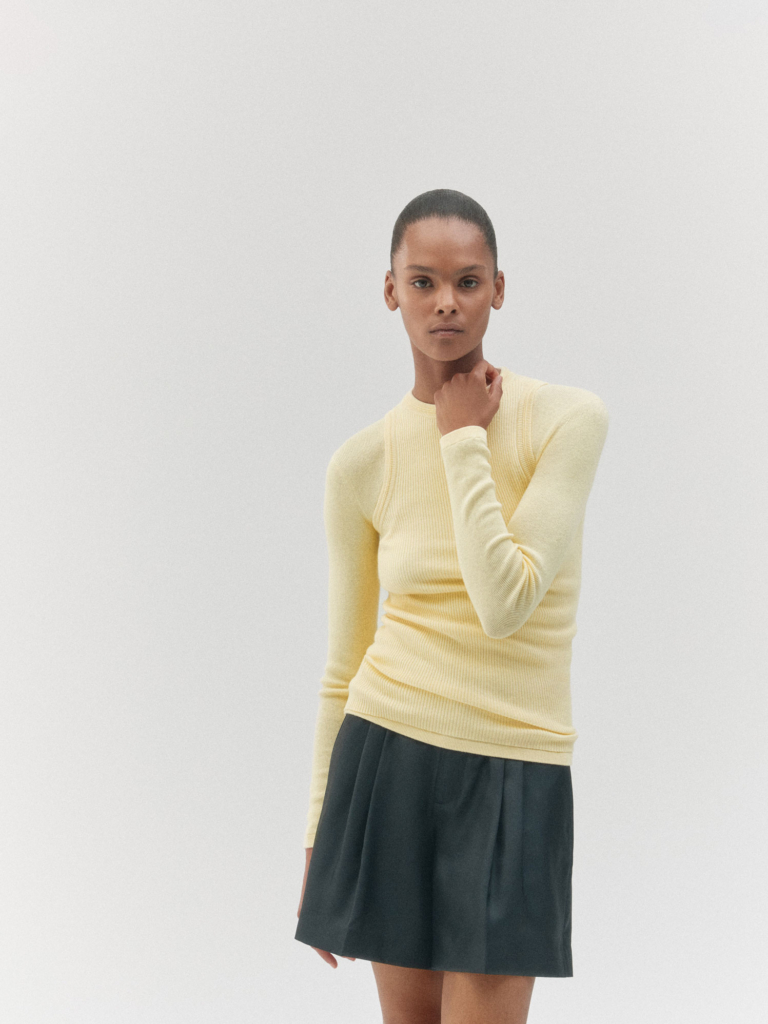
LISA YANG knitwear is instantly recognisable for its quiet confidence, architectural silhouettes, and understated elegance. But for Yang, design does not begin with trend forecasts or mood boards—it begins with fibre.
“The starting point of each collection is always cashmere in its purest form,” she explains.
Her team experiments with the boundaries of the material: how it drapes, how it feels against the skin, how it behaves when blended. One example is the silk–cashmere composition introduced for warmer months—silky smooth, featherlight, and breathable enough for summer wear.
Silhouettes often draw inspiration from woven tailoring, translating structure into softness. Subtle details—precise ribbing, considered proportions, refined finishing—elevate each piece beyond basic knitwear.
The goal is not statement dressing, but emotional resonance. The wearer should feel composed, enveloped, and quietly empowered.
SS26: Reimagining Summer Cashmere
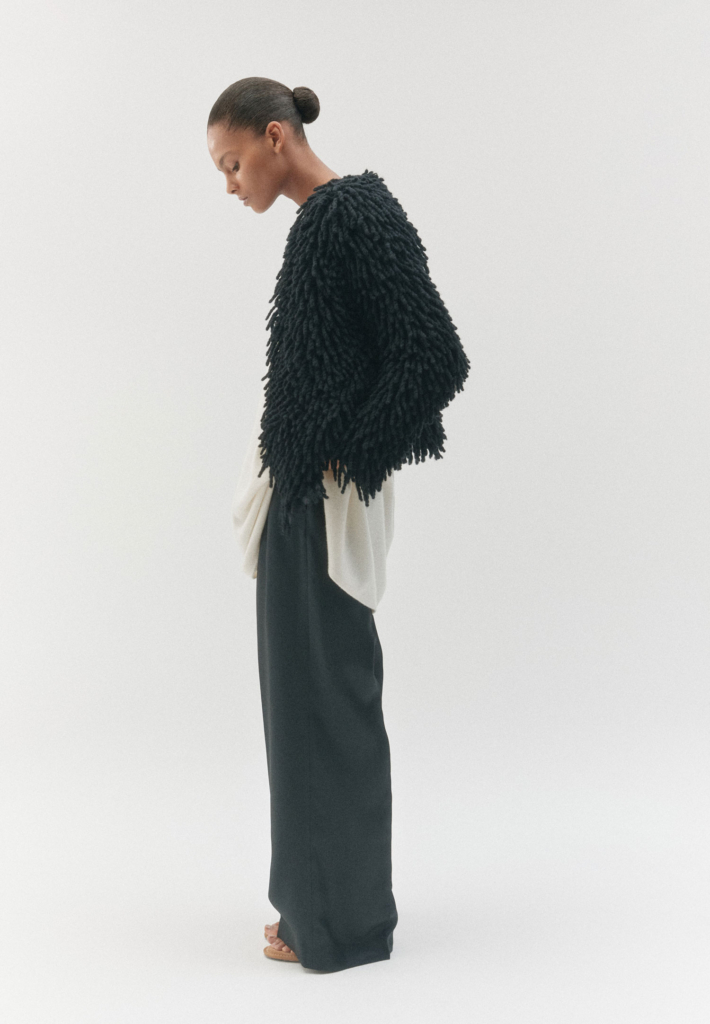
With the launch of the SS26 collection, Yang continues to challenge conventional perceptions of cashmere as strictly winter wear.
“We’re exploring how cashmere can be worn in the warmer months,” she says. “Challenging the perception of cashmere as a cold-season fabric is something we return to every Spring Summer.”
Inspired by the luminous light of the Swedish summer and a relaxed seaside existence, SS26 introduces laid-back silhouettes in cashmere and silk. Silk adds sheen and lightness, while cashmere retains its signature softness and temperature-regulating properties.
The result is effortless summer knitwear—refined, breathable, and deeply tactile.

Sustainability, Craftsmanship, and the Future of Luxury
As the fashion industry confronts questions around sustainability, overproduction, and the true meaning of luxury, Yang’s vision remains clear.
“My aim with LISA YANG is to carry the cashmere legacy forward,” she explains. The brand bridges the heritage of Inner Mongolia with the understated ease of Scandinavian minimalism, creating a dialogue between tradition and modernity.
Craftsmanship will always remain central. At the same time, Yang is committed to continuous innovation—raising the standard for sustainable cashmere through responsible sourcing, thoughtful production, and designs made to last beyond seasons.
“Our design DNA is rooted in a timeless perspective without feeling too ‘classic’,” she says. “It’s about finding that sweet spot between longevity and modernity.”
In a landscape saturated with fast fashion and fleeting trends, Lisa Yang’s approach feels both grounded and forward-thinking—a reminder that the future of luxury may lie not in excess, but in refinement.