


In the Hills Above Deià, a Hotel That Lets Mallorca Lead
The road to Deià narrows as it climbs, winding through the Serra de Tramuntana with the kind of deliberateness that discourages hurry. Stone walls edge the curves; olive trees lean toward the light. By the time you reach Belmond La Residencia, Mallorca has already begun to assert its slower logic. This is not an arrival that announces itself with drama. It unfolds, patiently, the way the village below has for centuries.
La Residencia occupies two former manor houses on a terraced hillside overlooking Deià, a village long mythologized as a refuge for artists, writers, and those seeking a certain distance from the world. The hotel, now part of the Belmond collection, carries that inheritance lightly. It does not attempt to update Deià or explain it. Instead, it folds itself into the place — stone by stone, olive tree by olive tree — until it feels less like a destination than a continuation.
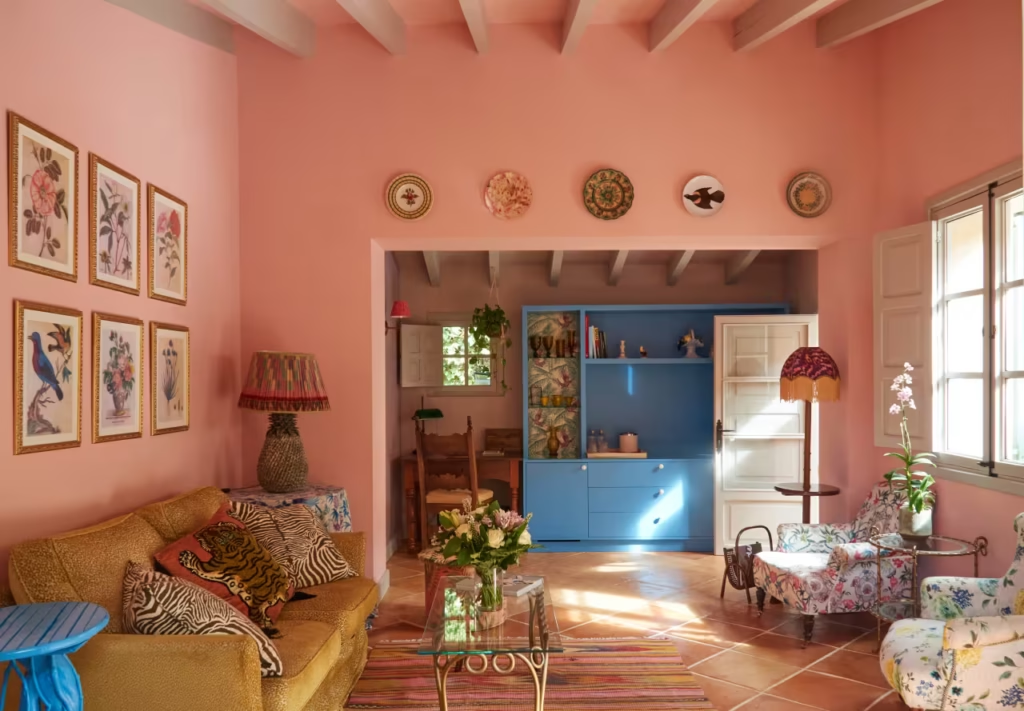
Check-in takes place without urgency, often accompanied by the soft clink of glasses and the suggestion to sit rather than stand. Staff move with the practiced ease of people who know that guests have come not to be impressed, but to be unburdened. From the beginning, La Residencia signals that time here is meant to stretch.
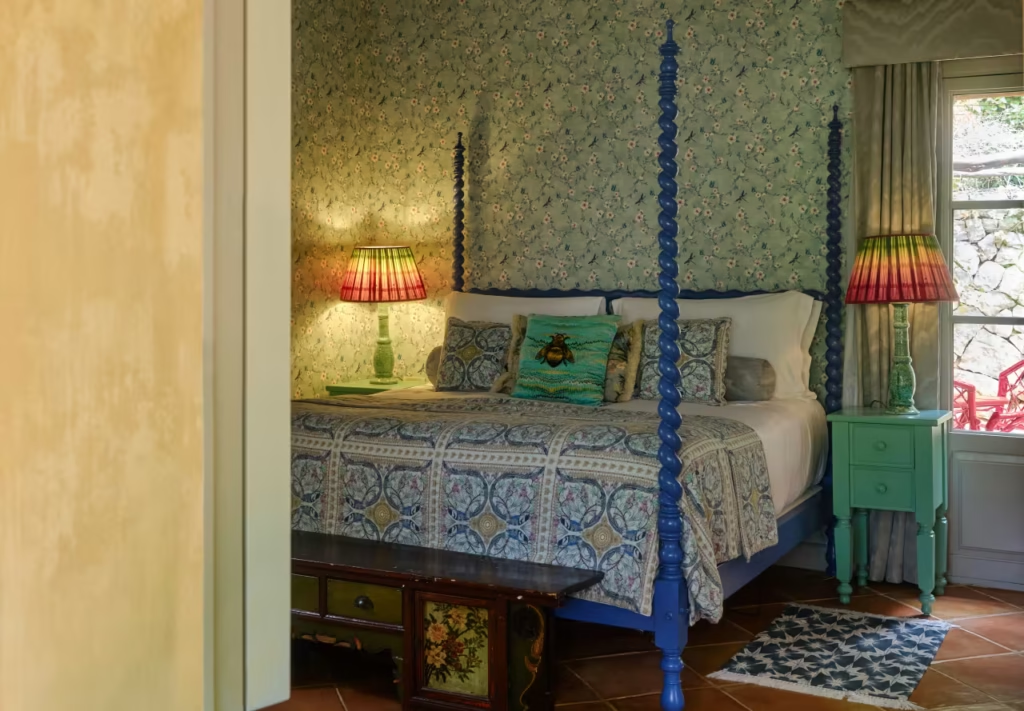
The rooms are scattered across the estate, connected by pathways that pass citrus trees, terracotta pots, and the low hum of cicadas. Interiors favor natural materials and local character: exposed beams, handmade tiles, woven textiles. No two rooms are identical, and that irregularity feels intentional, a refusal of uniform luxury in favor of lived-in comfort. Windows open onto olive groves, mountains, or the clustered stone rooftops of Deià, each view quietly persuasive.
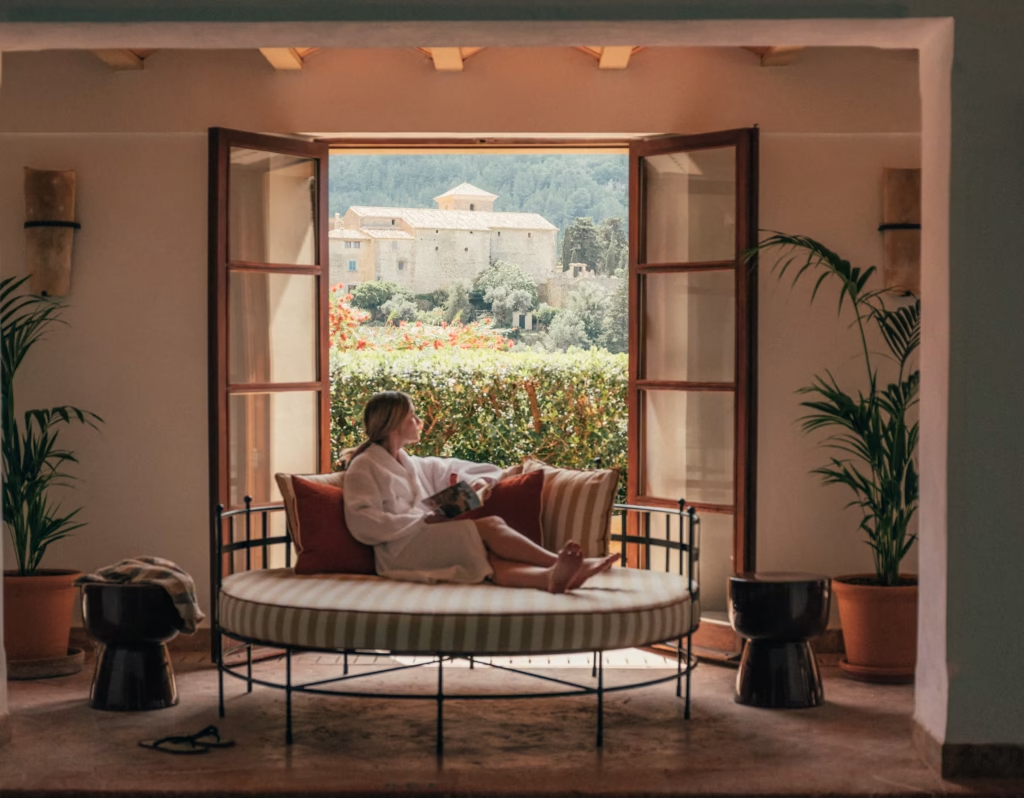
There is a particular pleasure in waking here. Morning light filters gently through shutters; the air carries the faint scent of rosemary and damp stone. Breakfast unfolds on a terrace overlooking the valley, where the sea appears intermittently between hills, more suggestion than spectacle. The buffet is abundant but unshowy, emphasizing ripe fruit, bread still warm, and olive oil produced on the property itself. It is a meal that invites lingering rather than efficiency.
La Residencia’s relationship to art is not decorative but structural. The hotel hosts an extensive collection of works by local and international artists, displayed throughout the grounds and public spaces, and maintains a pair of artist studios available to residents. This is not art as branding, but as continuity. Deià has long attracted creative minds — Robert Graves among them — and the hotel acknowledges that history without turning it into a theme.
Guests wander past sculptures while heading to the pool, pause in front of drawings en route to dinner. Art here does not interrupt the experience; it deepens it, reinforcing the sense that observation is part of the stay.
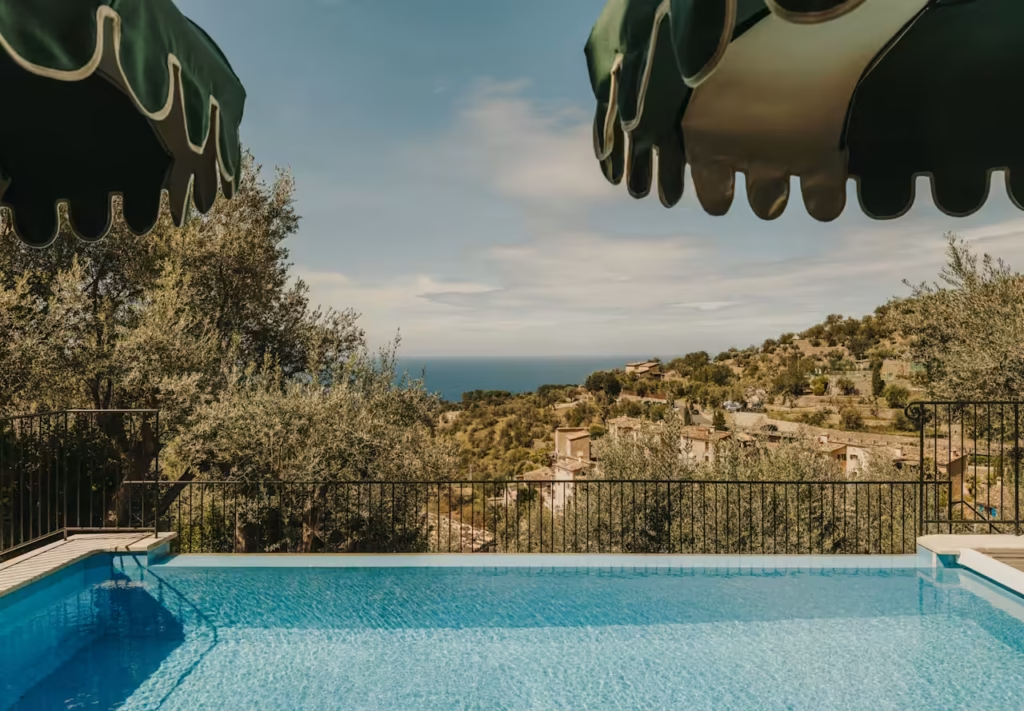
The two outdoor pools are positioned to different moods. One, nestled among gardens, encourages quiet laps and afternoon reading. The other opens more dramatically toward the mountains, drawing the eye upward rather than outward. Neither is framed for spectacle. There are no lines of sun loungers competing for dominance, no music intruding on the sound of wind and water. The prevailing atmosphere is one of permission — to rest, to roam, to disengage.
The spa, set apart from the main buildings, mirrors this philosophy. Treatments emphasize restoration over indulgence, drawing on local ingredients and practices. It is a place designed not for transformation, but for recalibration. The effect is subtle but cumulative: muscles soften, sleep deepens, attention sharpens.
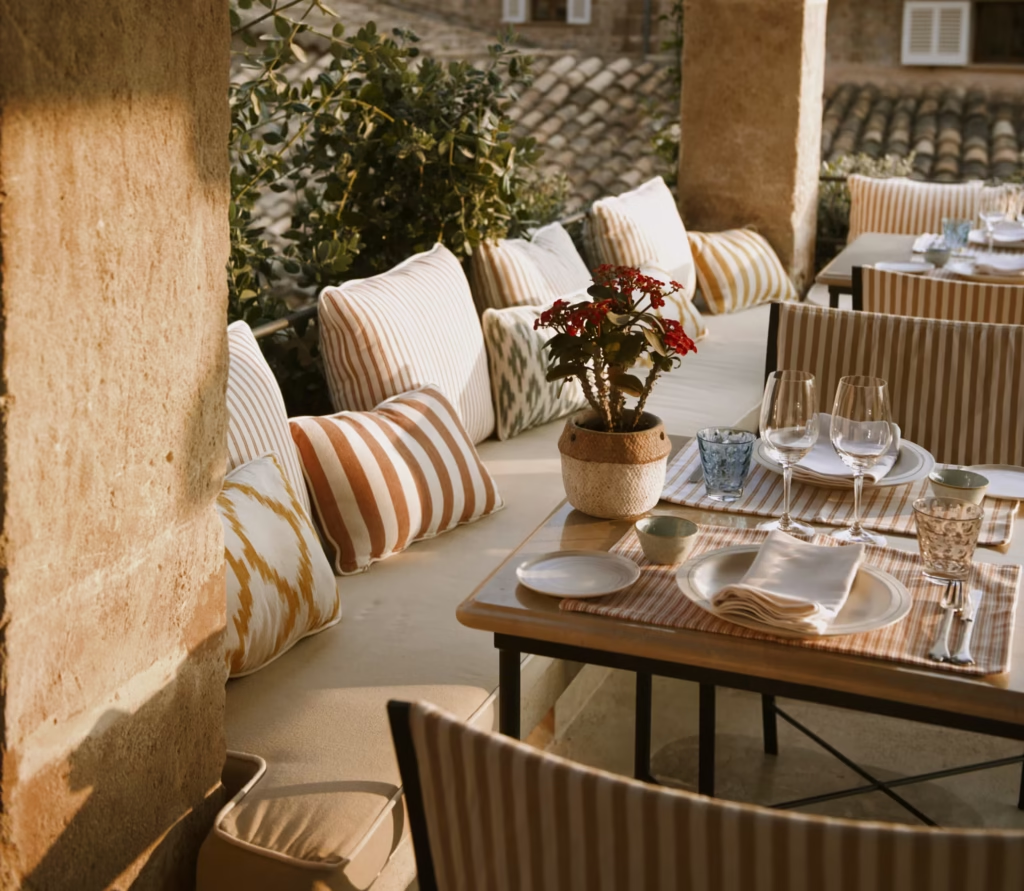
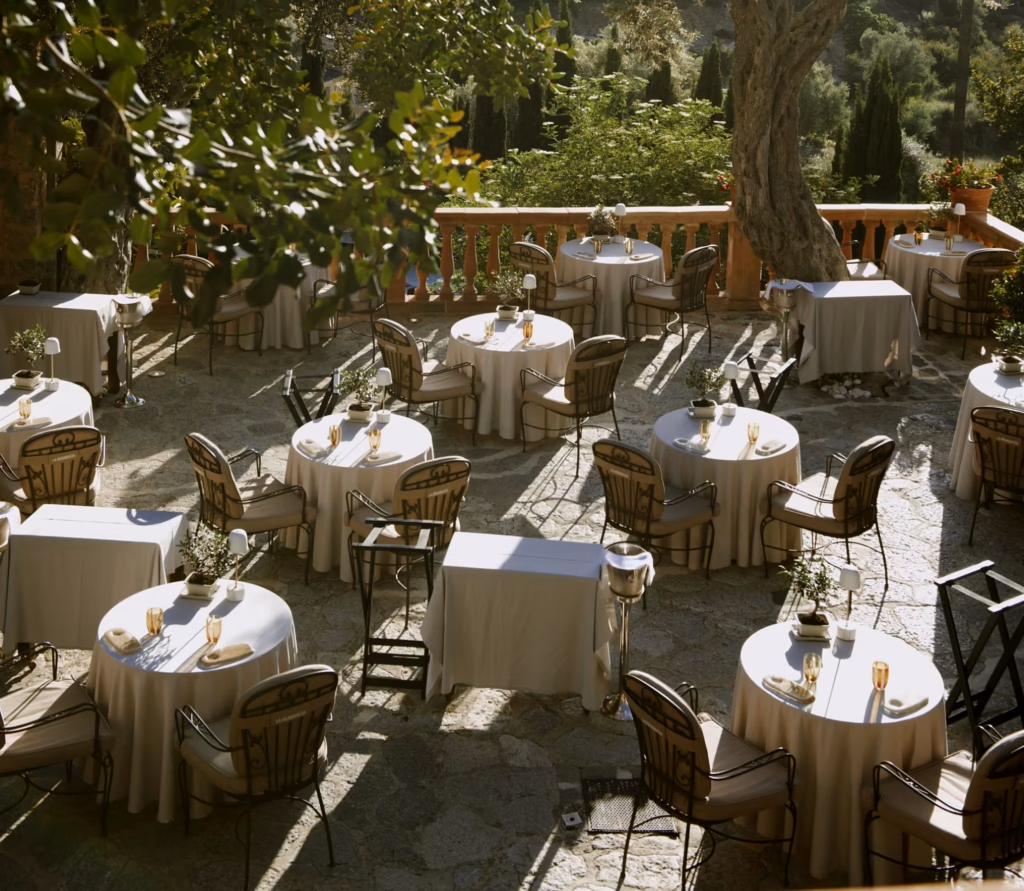
Dining at La Residencia reflects a similar restraint. El Olivo, the hotel’s flagship restaurant housed in a former olive press, offers Mallorcan-inspired cuisine that favors clarity and balance over reinvention. Dishes arrive carefully composed but grounded, their flavors anchored in the surrounding landscape. Dining by candlelight under ancient beams, it is difficult not to feel time collapse slightly — the modern world retreating to the edges.
More casual meals, taken poolside or on terraces, continue the theme: thoughtful sourcing, confident simplicity, an emphasis on freshness rather than flourish. Wine is local when possible, and staff speak about it with knowledge that feels earned rather than rehearsed.
What distinguishes La Residencia, ultimately, is its ability to make stillness feel active. Days pass without agenda yet feel full. A walk into Deià becomes an event. An afternoon reading stretches into evening. Conversation deepens. The hotel does not prescribe experiences so much as create the conditions in which experience can occur naturally.
There are moments when the polish shows — when Belmond’s global standards surface in the background — but they never overwhelm the sense of place. If anything, they provide a gentle framework that allows Mallorca to remain the protagonist.
Leaving La Residencia requires descending the same narrow road, retracing curves now familiar. The village recedes. The sea disappears. But something of the rhythm lingers — a reminder that luxury need not assert itself loudly to be convincing.
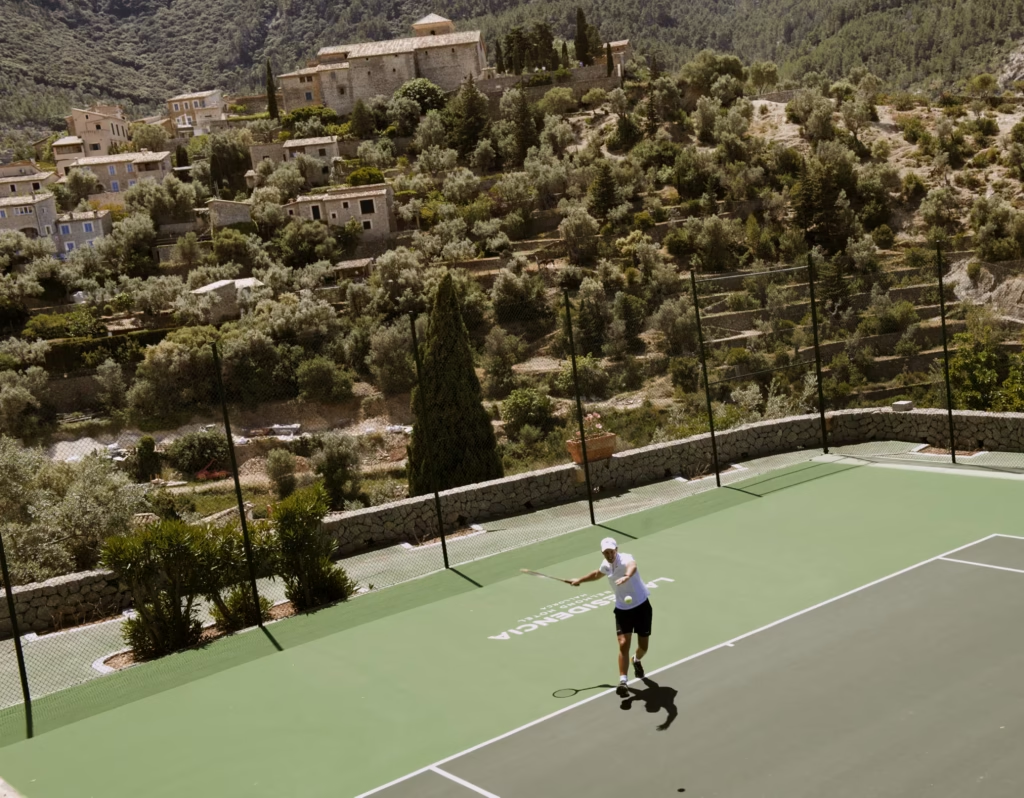
In Deià, among stone terraces and olive trees older than memory, Belmond La Residencia offers not escape, but alignment. It asks little of its guests beyond presence. And in return, it gives something increasingly rare: the experience of time, unhurried and intact.