


Becomes Berlin: Birkenstock’s Slow Revolution
Berlin is not a city that stays still. It breaks, rebuilds, reinvents — sometimes overnight, sometimes over generations. Its beauty has always lived in the tension between order and rebellion, between Bauhaus geometry and cabaret chaos. So it feels almost inevitable that Birkenstock 1774, the German heritage brand’s high-design line, would look to Berlin for inspiration. But in Becomes Berlin, the latest collection, it isn’t the obvious version of the city — not the postcard of concrete and techno — but a more complicated, more intimate one: the Berlin of the 1920s, where architecture met art, and decadence coexisted with discipline.

The name, 1774 Becomes Berlin, is both declaration and invitation. It nods to the year Birkenstock was founded, a reminder of a company that’s lived through empires, industrial revolutions, and countless reinventions of what the world considers “modern.” Now, it becomes a place: Berlin. The collection doesn’t so much reference the city as it absorbs it — in its shapes, its restraint, and its capacity to hold contradictions.
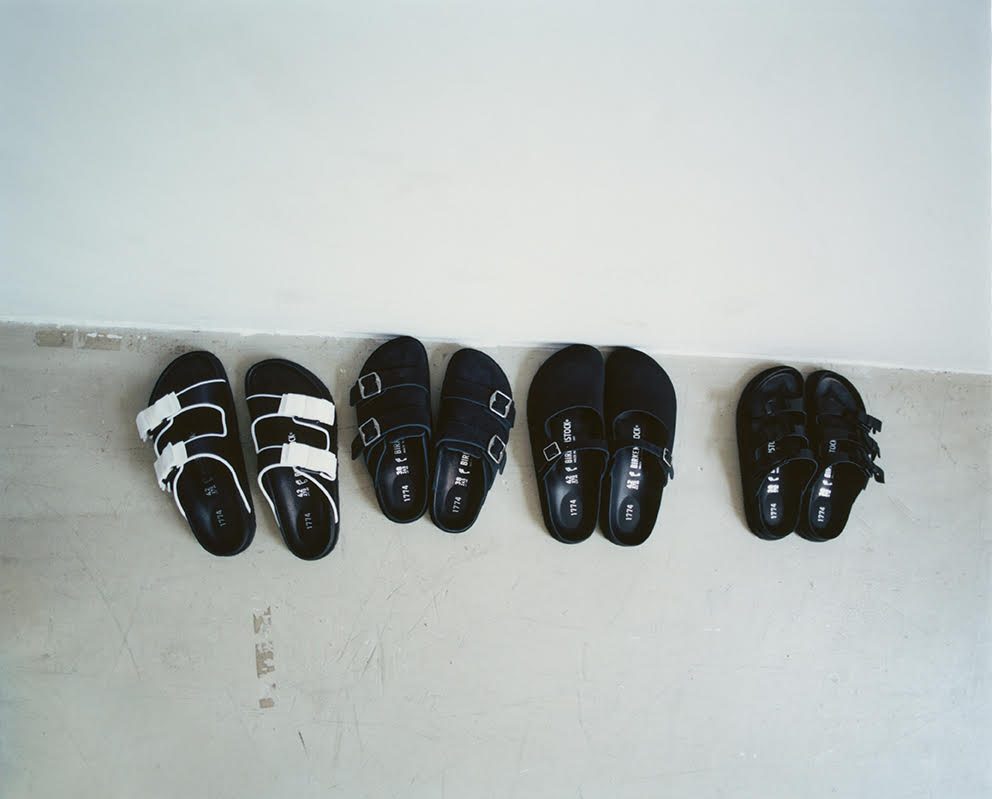
At first glance, the shoes appear understated, almost monastic. But look closer and they reveal their architecture: sculptural cut-outs that echo the symmetry of Art Deco facades; leather so precisely contoured it feels like a study in tactility. Bows appear not as ornament but as structure — folded geometry rather than frill. Buckles and straps are reimagined, minimal yet deliberate, functioning as both adornment and architecture. The designs are unisex, a nod to Berlin’s fluidity, where identity has never fit neatly into one form.
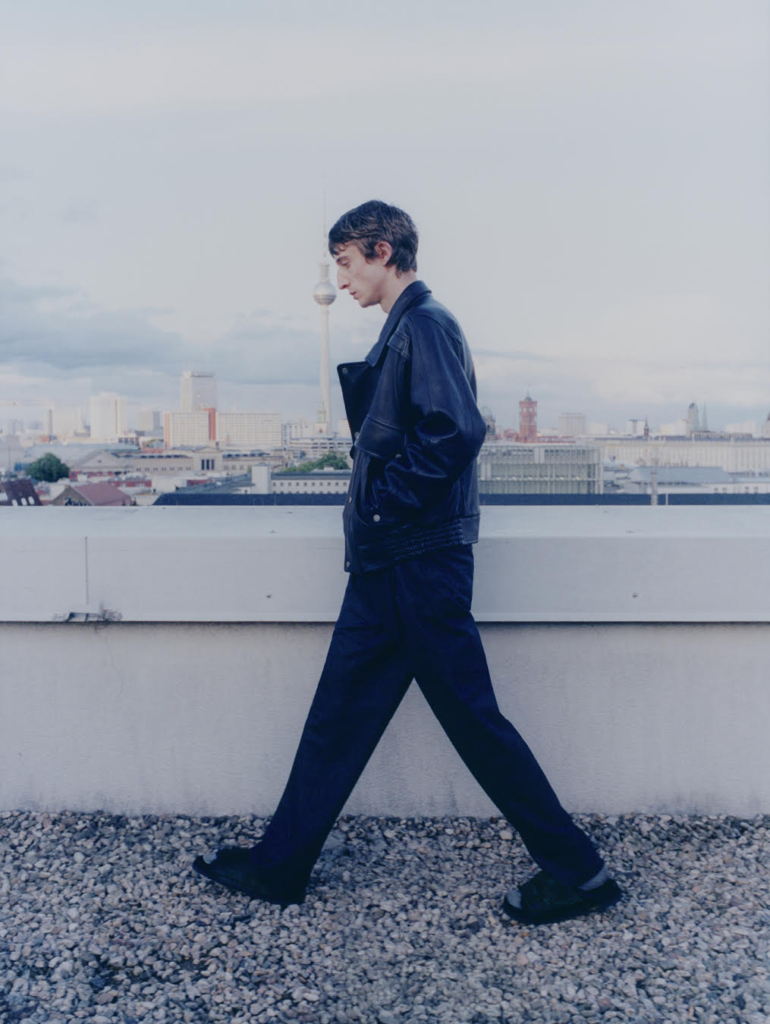
Birkenstock calls this line 1774, after the company’s founding year, to signify its meeting point between heritage and innovation — the original cork footbed, reinterpreted through the lens of contemporary design. If the main Birkenstock collection remains devoted to utility, 1774 is its poetic counterpart: precision turned into feeling.
In June, the brand opened its factories in Görlitz and Bernstadt to cameras, documenting the making of Becomes Berlin. The footage — quiet, grainy, reverent — shows craftspeople cutting, sanding, and shaping the leather with the calm choreography of routine. The process feels almost liturgical. Each curve of the sandal, each smooth contour of the footbed, is a kind of prayer to longevity. Nothing rushed, nothing wasted. In an era when fashion prides itself on speed, there’s something radical about such patience.
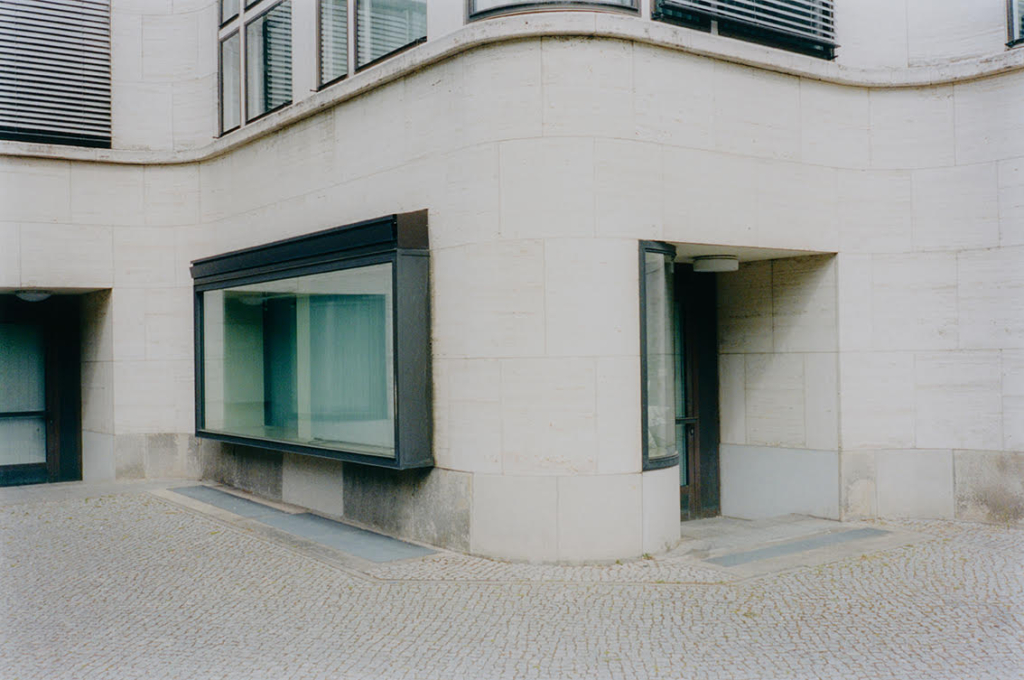
Berlin of the 1920s was an unlikely cradle for such restraint. The city then was feverish — a place of jazz clubs, manifestos, and radical experimentation. But out of that chaos emerged the Bauhaus movement, which believed in beauty through function, clarity through craft. The parallels are unmistakable. Like the Bauhaus, Becomes Berlin understands that form and feeling aren’t opposites; they’re the same material, shaped differently.
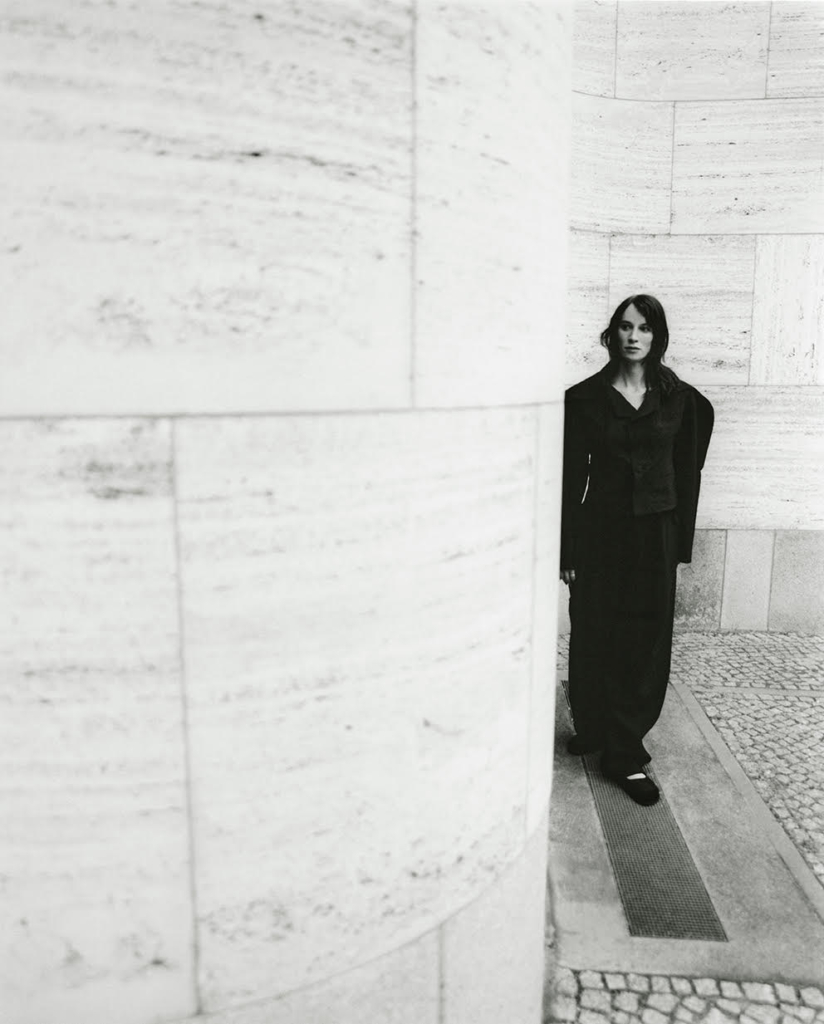
The collection also carries echoes of Weimar’s gender fluidity — the sense that dressing could be performance, expression, protection. Its unisex silhouettes and balanced proportions feel rooted in that lineage, where boundaries blur and style becomes a language of freedom.

And yet, there is nothing nostalgic about Becomes Berlin. The collection isn’t a costume but a continuation. The artisans in Görlitz and Bernstadt aren’t recreating history; they’re editing it — slowing it down, tightening its lines, infusing its grandeur with quiet relevance. In the hands of the in-house design team, led by Thibo Denis, craftsmanship becomes conversation: between past and present, between the industrial and the intimate.
Birkenstock, of course, has always belonged to the body more than to fashion. Its shoes mold over time to the wearer’s shape, memorizing the pressure points of daily life. The 1774 Becomes Berlin collection preserves that intimacy while expanding its aesthetic vocabulary. It is, in essence, couture built for the street — or perhaps more precisely, for the quiet spaces between street and studio, where design and life meet.
The campaign imagery mirrors this ethos. Shot within the factory, it reveals not models but makers: hands dusted with leather powder, tools laid in rows, light cutting through the workshop’s still air. It’s a visual language of honesty, far from the over-polished fantasy of traditional fashion campaigns. What you see is what you wear: material, labor, form.
If the 1920s Berlin that inspired this collection was a city of becoming — of constant construction — then Birkenstock 1774’s Becomes Berlin is a meditation on what it means to build slowly. Each shoe is an argument for patience, for depth over display, for the kind of modernity that doesn’t erase the past but walks with it.
In the end, Becomes Berlin is not just a collection. It’s an act of memory. It remembers a time when making things was still an art of care, when progress didn’t mean speed, and when beauty could still be built from the ground up.
Because Berlin, like Birkenstock, has always understood something that fashion too often forgets — that true innovation begins where the human hand meets material, and where the act of becoming never really ends.