


Château Royal, Berlin
Where the city exhales
Berlin in summer has a particular tempo. The days stretch languidly, cafés spill onto pavements, and the city’s hard edges soften just enough to let beauty slip through. It was in this mood—sun-warmed, slightly unruly—that I arrived at Château Royal, a hotel that feels less like a place to stay and more like a conversation with the city itself.
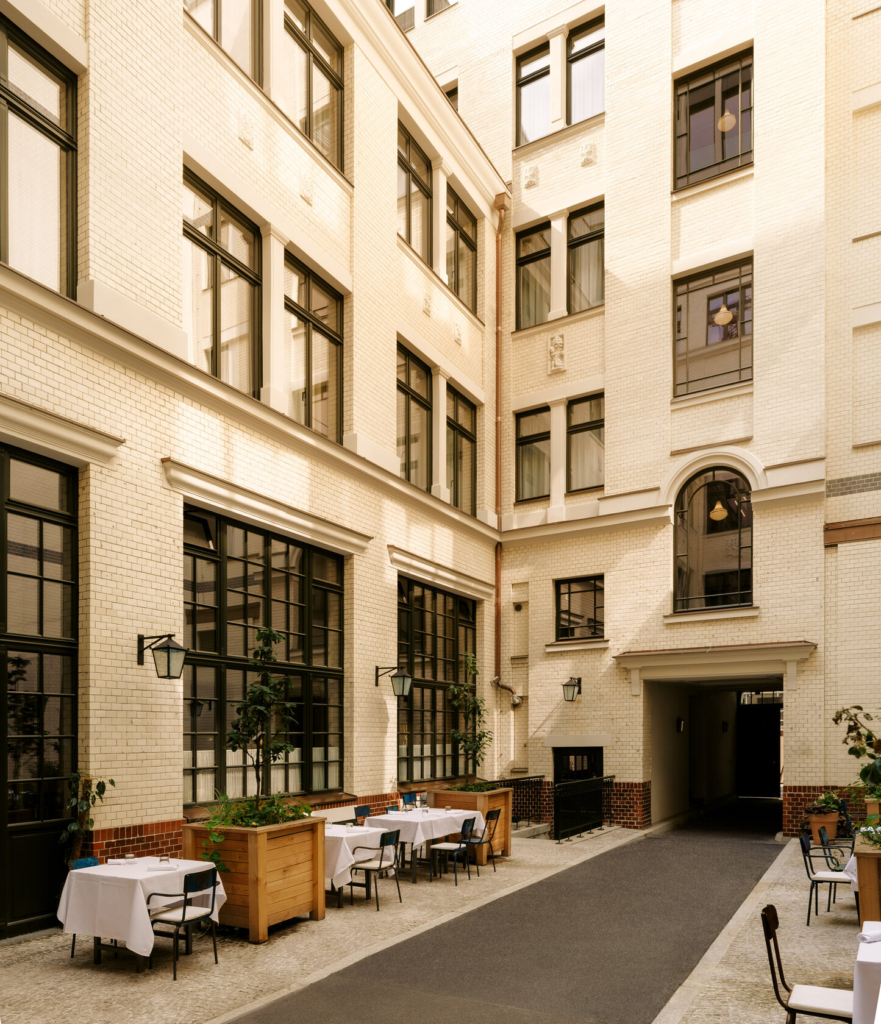
Set just off Unter den Linden, moments from the Brandenburg Gate yet removed from its spectacle, Château Royal occupies a quiet corner that feels deliberately chosen. This is Berlin at its most assured: central, but not showy; historic, but never nostalgic. The building—a former 19th-century residence—has been reimagined with restraint and intelligence, its bones respected, its interiors unapologetically contemporary.
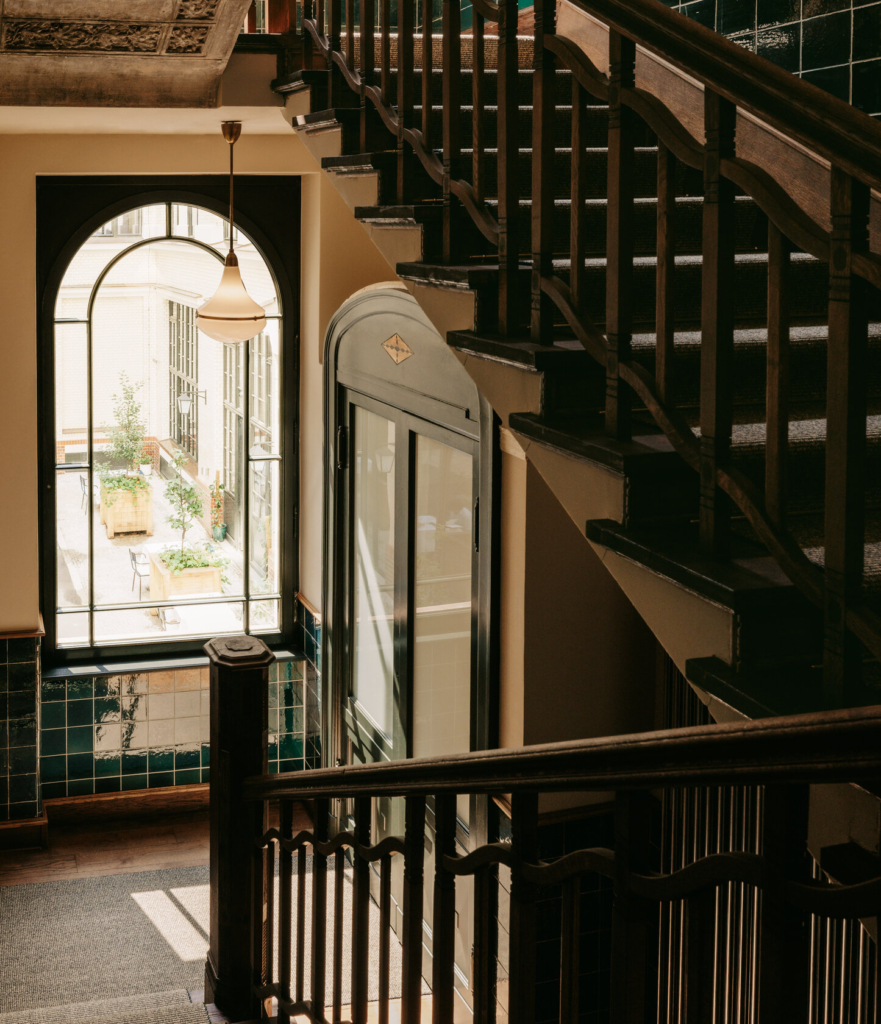
From the outset, the design signals intent. There is no performative luxury here, no marble shouting for attention. Instead, the spaces unfold with a calm confidence: muted tones, tactile materials, and a sense of proportion that feels European in the best way. The work of designers Irina and Oleg Klodt, the interiors lean into warmth—oiled woods, brushed metals, soft leathers—balanced by modernist lines and subtle graphic moments.
The lobby is intimate, almost residential, encouraging pause rather than procession. Art is placed with purpose, not as decoration but as punctuation. Nothing feels accidental, yet nothing tries too hard. It’s the kind of considerateness that seasoned travellers recognise instantly.
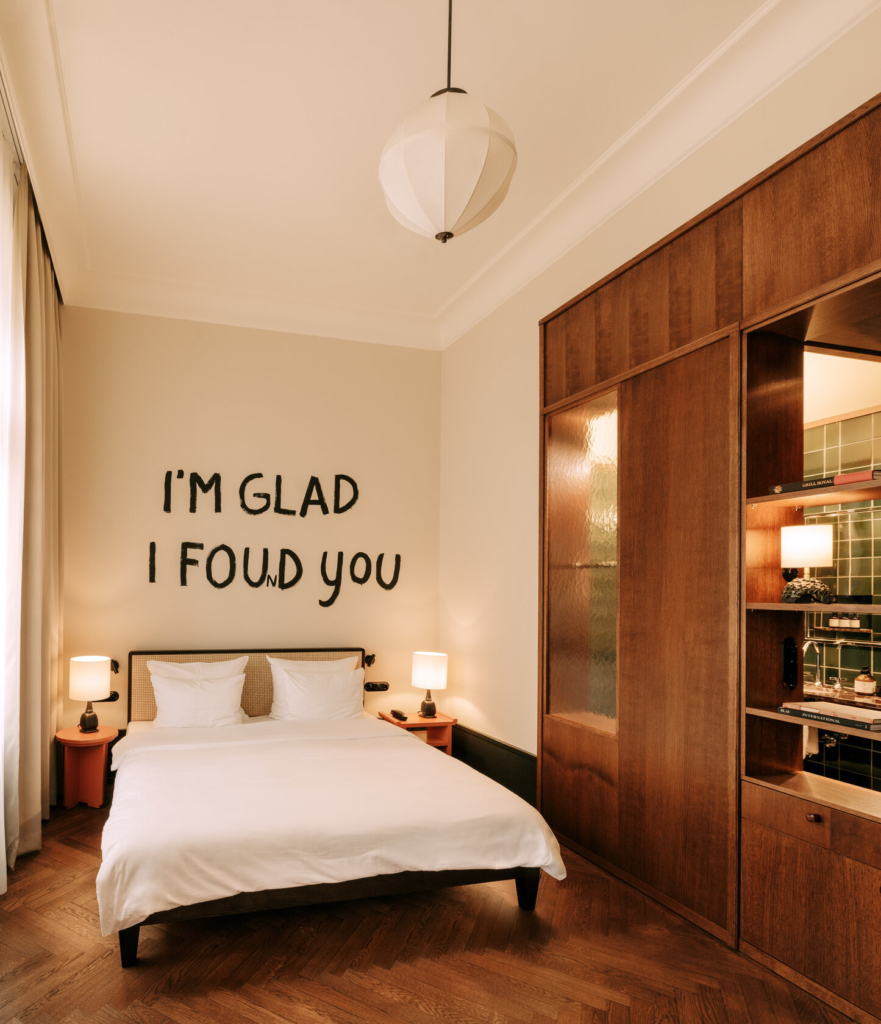
Upstairs, the rooms continue this quiet dialogue between comfort and character. Large windows pull Berlin’s summer light inside, filtering it through linen curtains and onto natural textures. The palette is earthy and grounding—ochres, charcoals, warm neutrals—creating a sense of refuge from the city’s kinetic energy. Furniture is low-slung and sculptural, beds indulgently comfortable without being overbearing. There is a tactility to everything: the weight of the door handle, the grain of the desk, the softness of the towels. These details matter, and Château Royal understands that.
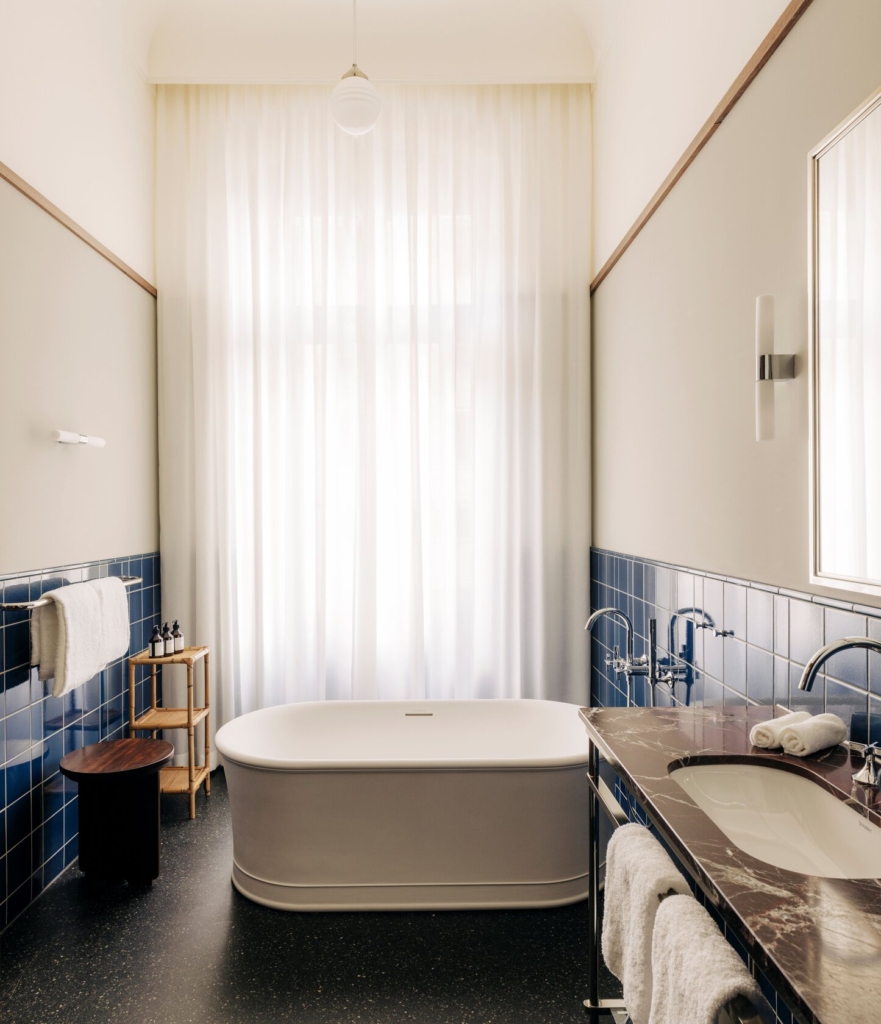
Bathrooms are equally thoughtful—clean-lined, generous, and finished with materials that age well rather than sparkle briefly. This is a hotel designed to endure, not impress for a season.
If the rooms offer retreat, the restaurant and bar reassert the hotel’s connection to Berlin’s social rhythm. The dining space is relaxed but refined, with an energy that draws both guests and locals—a good sign in any city. During summer evenings, the atmosphere hums: glasses clink, conversations overlap, and the light lingers just long enough to invite another course, another bottle.
The food follows the same philosophy as the design—rooted, modern, unfussy. Seasonal ingredients take precedence, plates are composed with confidence rather than flourish. Think clean flavours, thoughtful pairings, and a sense that the kitchen knows exactly what it’s doing without needing to explain itself. Breakfast is particularly good—unhurried, generous, and quietly indulgent, best enjoyed without checking the time.
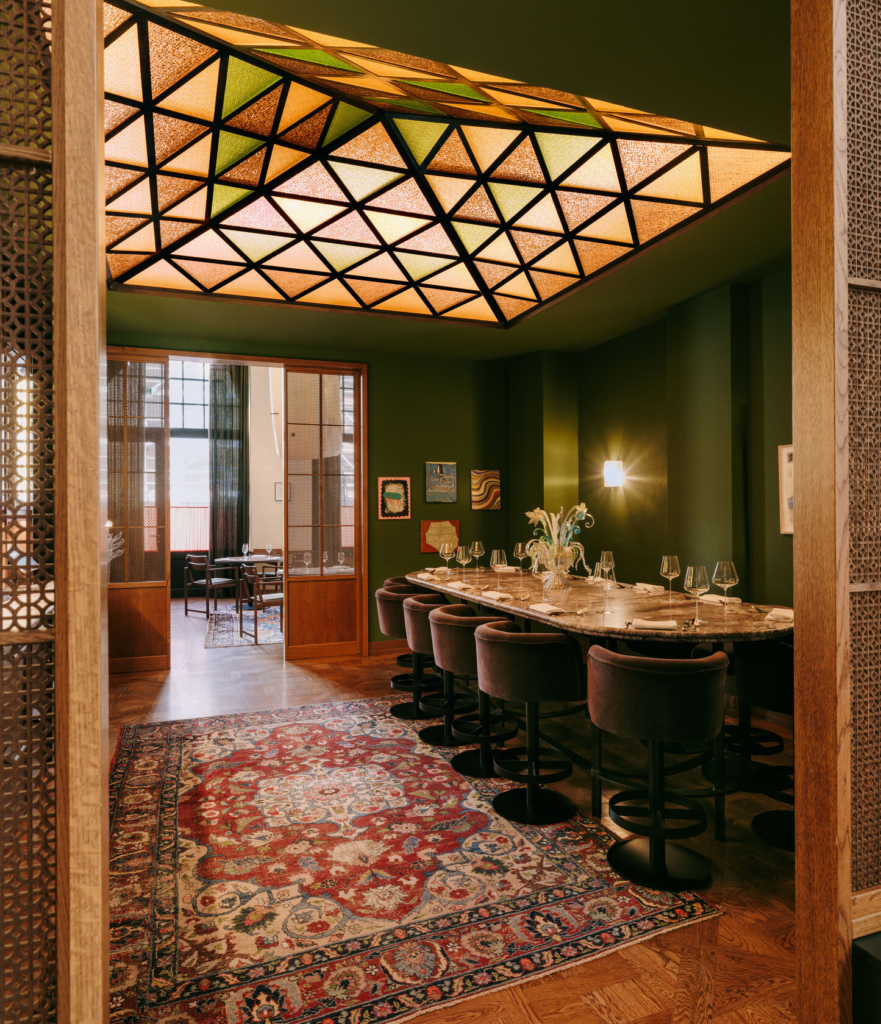
What sets Château Royal apart, however, is not any single element but the way it all comes together. This is not a hotel chasing trends or trying to redefine Berlin. Instead, it reflects the city as it is now: mature, creative, layered. There’s an ease here that can’t be manufactured—an understanding that luxury today is about space, calm, and authenticity.
Leaving Château Royal after a summer stay feels less like checking out and more like stepping back into the city with clearer eyes. It’s a place that doesn’t compete with Berlin but complements it—offering a pause, a frame, a moment of quiet sophistication in a city that thrives on contrast.
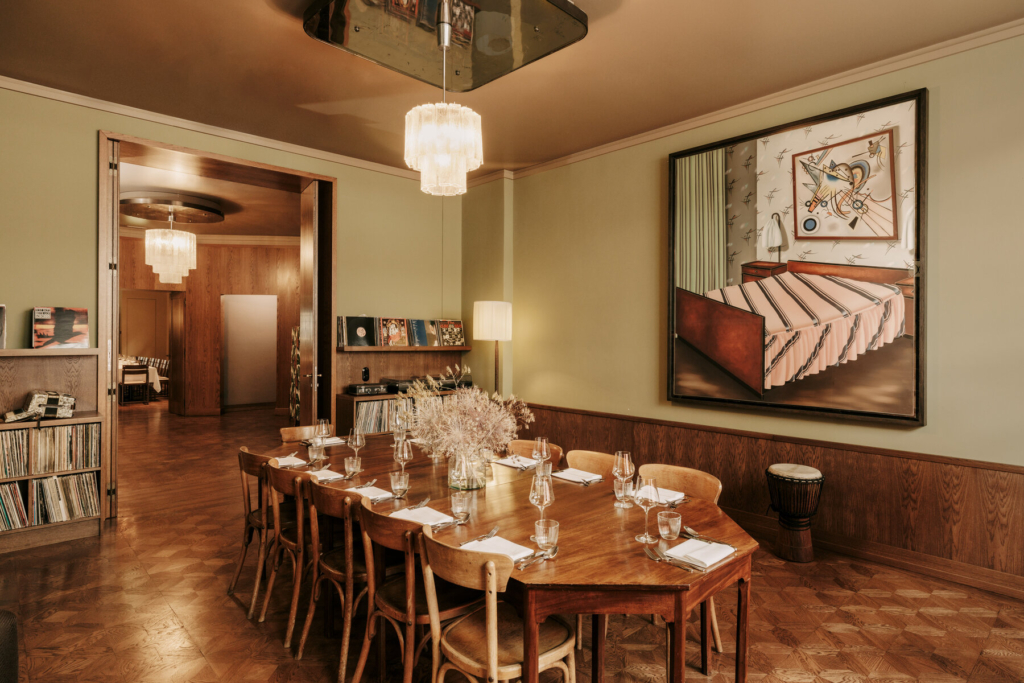
For travellers who care as much about design as atmosphere, who notice the curve of a chair and the quality of morning light, Château Royal is not just a hotel. It’s a reminder that the best places don’t announce themselves loudly—they simply stay with you.