


At Bar Moro, Jonas Franck Cooks From Memory
A conversation with the chef behind one of Copenhagen’s most quietly expressive rooms
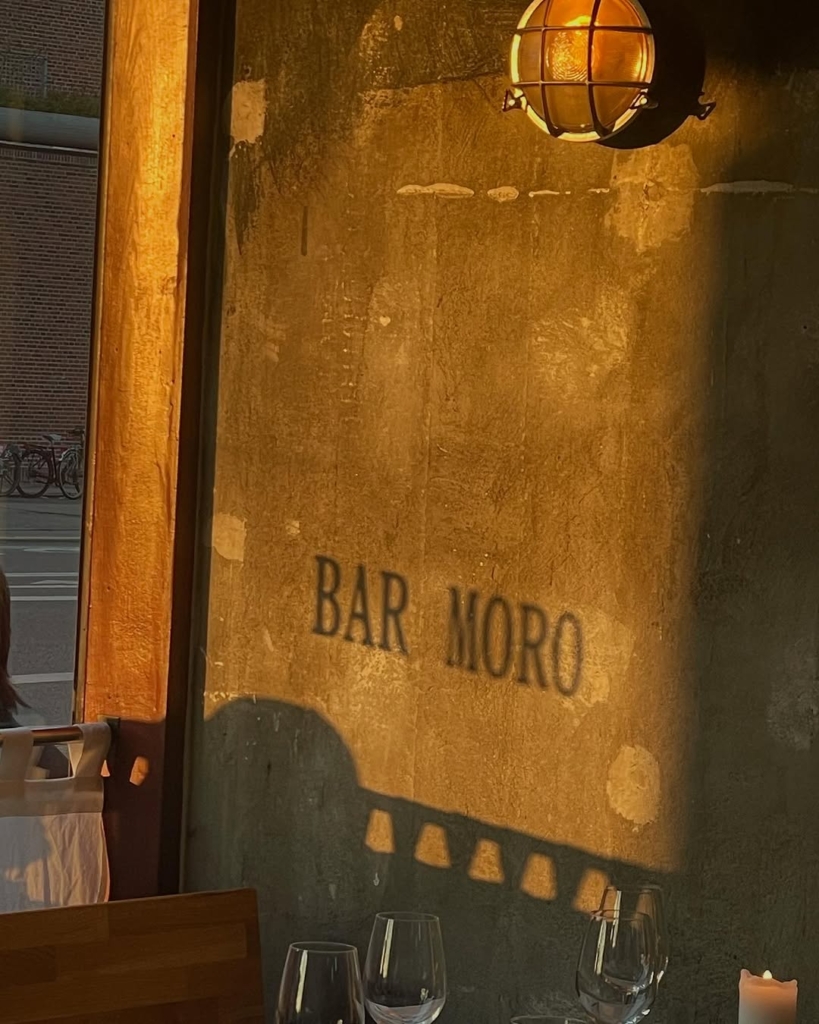
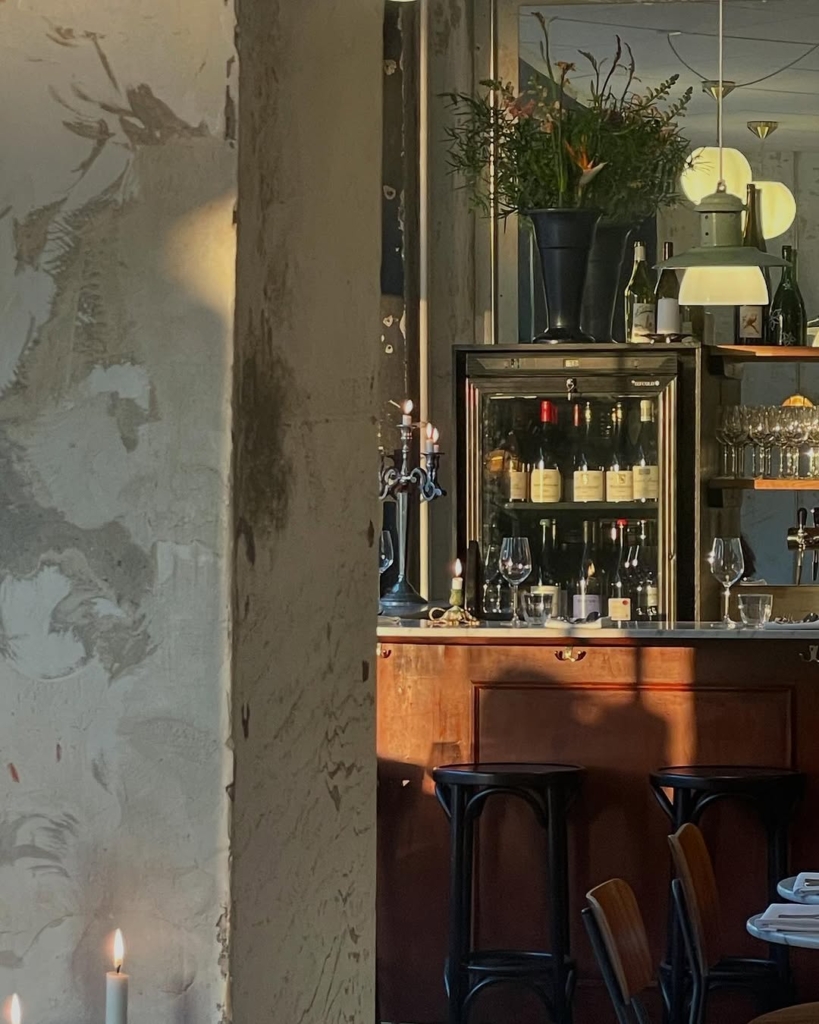
Bar Moro sits slightly apart from Copenhagen’s louder culinary conversation. You could miss it if you weren’t looking closely — and that feels deliberate. Inside, the room is compact, softly lit, and alive with a low, conversational hum. The kitchen is present but not performative, the atmosphere confident without being insistent. It is the kind of place that doesn’t announce itself as important, yet quickly proves that it is.
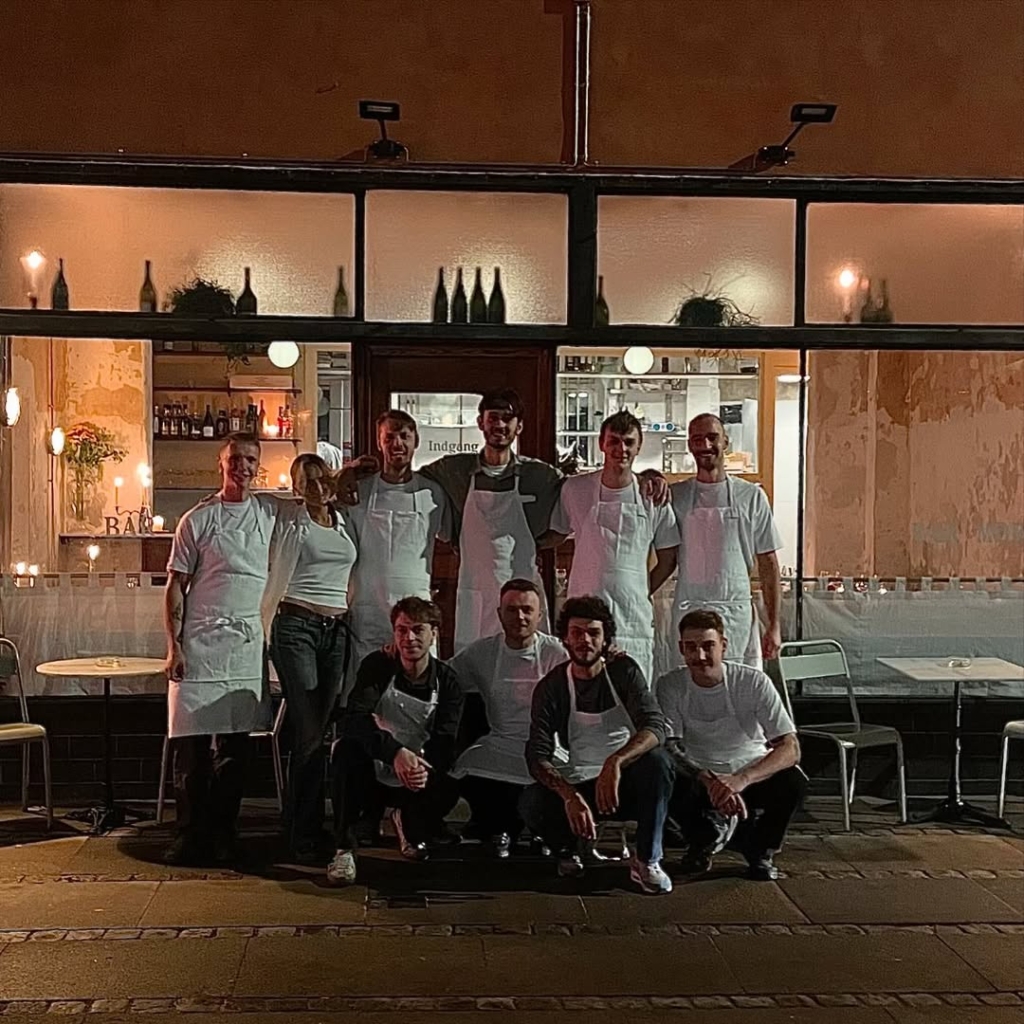
Jonas Franck, the chef behind Bar Moro, cooks in much the same way the restaurant feels: with restraint, clarity, and a deep respect for what doesn’t need explanation. When we spoke — the conversation recorded over the course of a calm afternoon — he returned again and again to the idea of memory: not as something to preserve intact, but as something to work with, reinterpret, and let evolve.
“I’m not trying to recreate a dish from my past,” Franck says. “I’m trying to recreate the feeling of eating it.”
That distinction defines Bar Moro. The menu carries unmistakable Mediterranean echoes — Southern Europe, the Iberian Peninsula, North Africa — but filtered through Copenhagen’s discipline and seasonal awareness. This is not fusion in the contemporary sense, nor is it nostalgia plated with precision. Instead, the food feels like a conversation between places: warm, grounded flavors shaped by a northern attentiveness to detail.
Franck talks about growing up with food that was simple but deeply intentional — olive oil used generously, vegetables cooked slowly, meals built around sharing rather than presentation. These influences surface at Bar Moro not as references, but as instincts. Bread matters. Sauce matters. Timing matters.
“Copenhagen taught me to listen,” he says. “Here, ingredients don’t give you much room to hide.”
That listening is evident on the plate. Dishes are composed but not crowded, allowing one element to lead while others support quietly. Acidity arrives when it should, not when it wants attention. Heat is measured, never dominant. The food rewards patience — not through complexity, but through balance.
Franck resists the idea that minimalism is an aesthetic goal. For him, it is a practical outcome of knowing when to stop.
“In some kitchens, the question is always, ‘What else can we add?’” he says. “For me, it’s usually, ‘What can we remove without losing meaning?’”
Bar Moro’s name hints at layered histories and cultural crossings, yet Franck is careful not to over-narrate his food. There are no long explanations delivered tableside, no insistence on how a dish should be understood. He believes food should be emotionally legible without instruction.
“I want people to recognize something,” he says. “Even if they don’t know why.”
That recognition often comes through warmth — both literal and emotional. Many dishes are designed to be shared, passed, revisited. The menu encourages a rhythm that stretches meals into evenings rather than marches them toward a conclusion. Franck speaks thoughtfully about the act of eating together, about food as a social glue rather than a spectacle.
In a city internationally celebrated for innovation, Bar Moro feels quietly resistant to urgency. Franck is candid about avoiding the pressure to constantly reinvent — to chase novelty, attention, or acclaim.
“If you cook every day,” he says, “change happens whether you announce it or not.”
That philosophy extends into the kitchen culture itself. Franck describes a working environment built on repetition, trust, and care rather than adrenaline. Dishes evolve slowly. Techniques are shared. Waste is minimized not as a statement, but as a necessity of respect — for ingredients, for labor, for time.
Listening back to the recording, one word appears again and again in his thinking: balance. Not compromise, but calibration — between salt and acid, between ambition and humility, between memory and the present moment.
“You don’t need to force ideas onto food,” he says. “You need to understand what’s already there.”
Bar Moro reflects that understanding. As the evening unfolds, the room fills but never overwhelms. Plates arrive quietly, disappear just as naturally. Conversation ebbs and flows. There is no sense of performance, only continuity.
Jonas Franck has built a restaurant that doesn’t try to define Copenhagen’s dining scene or disrupt it. Instead, Bar Moro inhabits it — absorbing influences, responding to seasons, and trusting that consistency, when practiced thoughtfully, can be its own form of originality.
In a culinary culture often preoccupied with what comes next, Bar Moro offers something rarer: a place that values staying power over statements, memory over nostalgia, and flavor over explanation. It reminds you that some of the most compelling food stories are not told loudly — they are lived, night after night, at the table.