


The Quiet Strength of Denim: A Conversation with Tsuyoshi Kikushima of upper hights
Tokyo has a particular way of whispering its power. It doesn’t scream for attention; it reveals itself in details — a perfect hemline, a balanced silhouette, a fabric that falls just right. It’s in this quiet space between precision and restraint that upper hights was born.
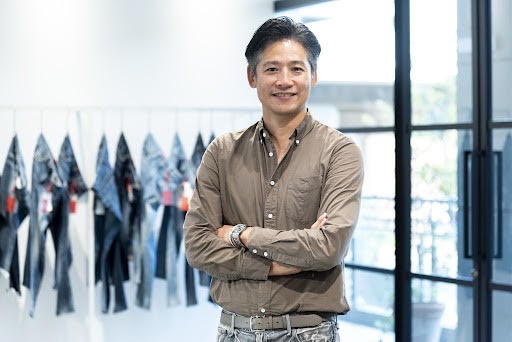
When I meet Tsuyoshi Kikushima, there is nothing flamboyant about him. No theatrics. No oversized statements. Instead, there is clarity. A calm certainty. The kind that comes from having seen the industry from every angle — and knowing exactly where the gap lies.
upper hights, founded in 2014, wasn’t created to chase trends. It was created to correct something.
Seeing the Gap
“The starting point for launching upper hights came from my experience at rag & bone,” Kikushima tells me.
Before founding his own label, his career moved through the global epicenters of premium denim: sales at True Religion, at Rag & Bone, and deep manufacturing immersion with RED CARD. Each chapter left a distinct imprint.

“At the time, denim was already firmly established overseas as a fashion category in its own right,” he explains. “In contrast, Japan possessed some of the world’s highest standards in fabric development and finishing techniques, yet there were very few denim brands that were built with fashion as their core.”
Japan had the craftsmanship. The mills. The techniques. The obsessive precision.
What it lacked, in his view, was denim conceived first and foremost as fashion.
“I saw a clear opportunity in that gap,” he says simply.
“Our mission from the beginning was simple: to create denim that functions as fashion, grounded in Japanese craftsmanship. That idea became the foundation of upper hights.”
It’s a deceptively modest sentence. But in Japan’s saturated denim market — where heritage narratives and Americana references often dominate — it was quietly radical.
Craftsmanship as Foundation, Not Decoration
Many brands speak about balancing tradition and modernity. Kikushima reframes the question entirely.
“We don’t see tradition and modernity as opposing forces,” he says.
Japanese craftsmanship, he explains, is defined by an exceptionally high standard of precision and integrity. That foundation is non-negotiable. Fabric quality. Processing consistency. Reliability in construction.
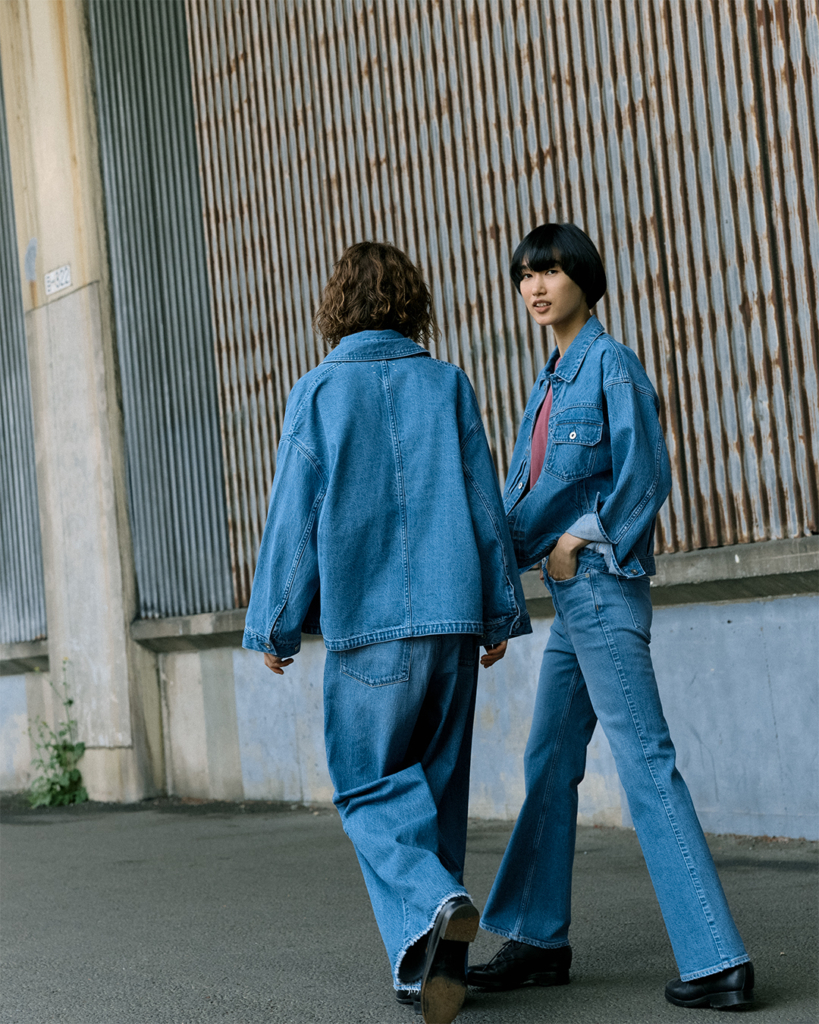
“We protect that foundation without compromise.”
And then comes the second layer.
“On top of that foundation, we focus on the present. Silhouette balance, length, rise, and the overall feeling of the fit are constantly adjusted to reflect the current mood.”
Craftsmanship is the base.
Design is the interpretation.
Because the base is stable, modern expression can evolve authentically.
There is something deeply Japanese in this order — discipline first, then freedom. Structure before experimentation.

The Education of a Founder
Kikushima’s philosophy was forged through contrast.
“During my time in sales at True Religion, premium denim was at its global peak. Bold decoration and strong visual impact were driving the market, and I experienced that momentum firsthand.”
Denim as spectacle. Denim as statement.
Later, at Rag & Bone, he encountered a different model.
“I learned how denim could function as the core of a fashion brand — how trends and a cohesive brand worldview can coexist.”
Not noise, but narrative.
At RED CARD, he immersed himself in Japanese manufacturing culture.
“Fabric selection, processing consistency, and the accumulation of fine details revealed a different kind of strength — one that exists beyond trends.”
He leans back slightly, reflecting.
“I experienced boldness, learned fashion sensibility, and understood the depth of craftsmanship. Those three experiences define where upper hights stands today.”
The brand does not overstate. It does not decorate for effect. It does not chase.
“We don’t overstate. But we have a solid foundation. We understand the market, without losing sight of what truly matters.”
It sounds less like a marketing line and more like a personal code.
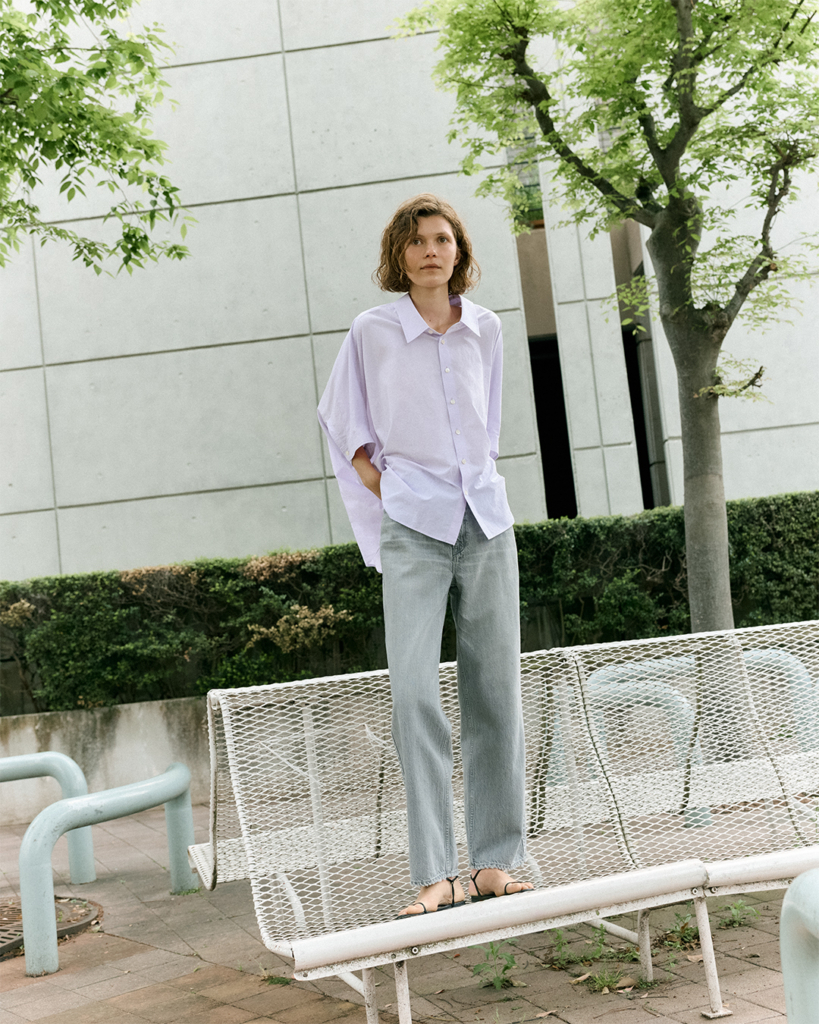
Denim That Doesn’t Shout
In a world where logos grow larger and collaborations louder, upper hights operates in a different register.
Its silhouettes are deliberate. Its washes restrained. Its confidence internal.
If Tokyo is a city of layered precision — tradition embedded within futurism — then upper hights feels unmistakably of its place. A brand born not from rebellion, but from refinement.
As we finish our conversation, I ask Kikushima what “quiet strength” means to him.
“It means having a strong foundation,” he says without hesitation. “When that foundation exists, you don’t need to say too much.”
In the end, upper hights isn’t about denim that demands attention. It’s about denim that earns it.
And like the best corners of Japan itself, its power is felt — not announced.