


Lanserhof Sylt: Engineering Longevity at the Edge of the North Sea
By the time longevity became a global obsession—tracked, quantified, optimized—Lanserhof had already been practicing it for decades. What distinguishes Lanserhof Sylt, the group’s North Sea outpost, is not that it speaks the language of modern health, but that it does so fluently, without spectacle. Here, longevity is not marketed as aspiration; it is treated as a clinical responsibility, supported by architecture so precise it feels like part of the treatment plan.
A building designed to slow you down
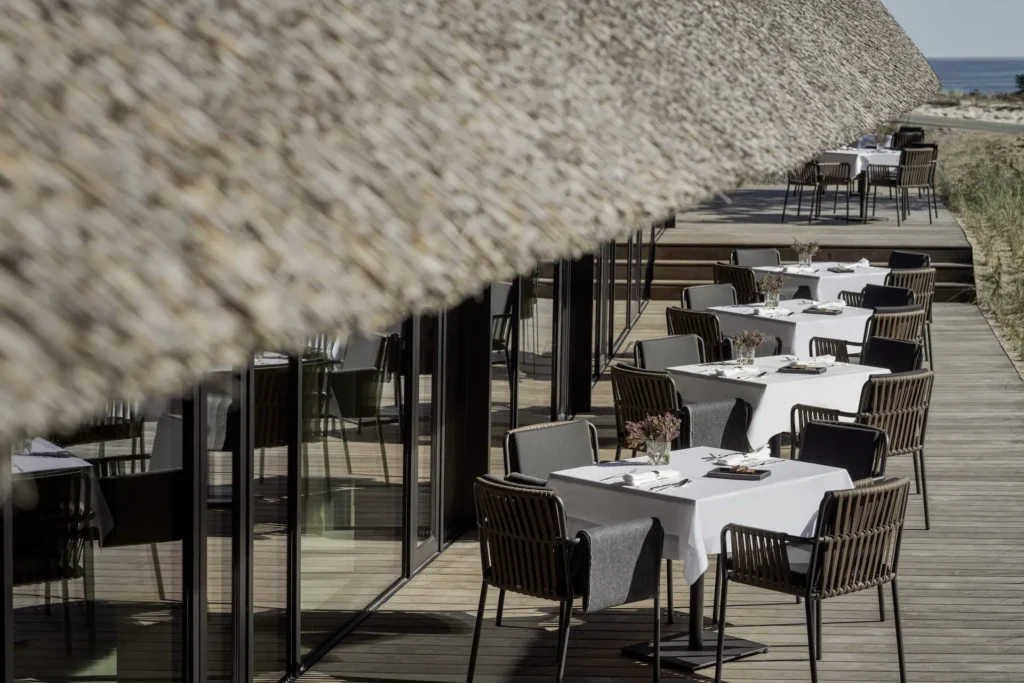
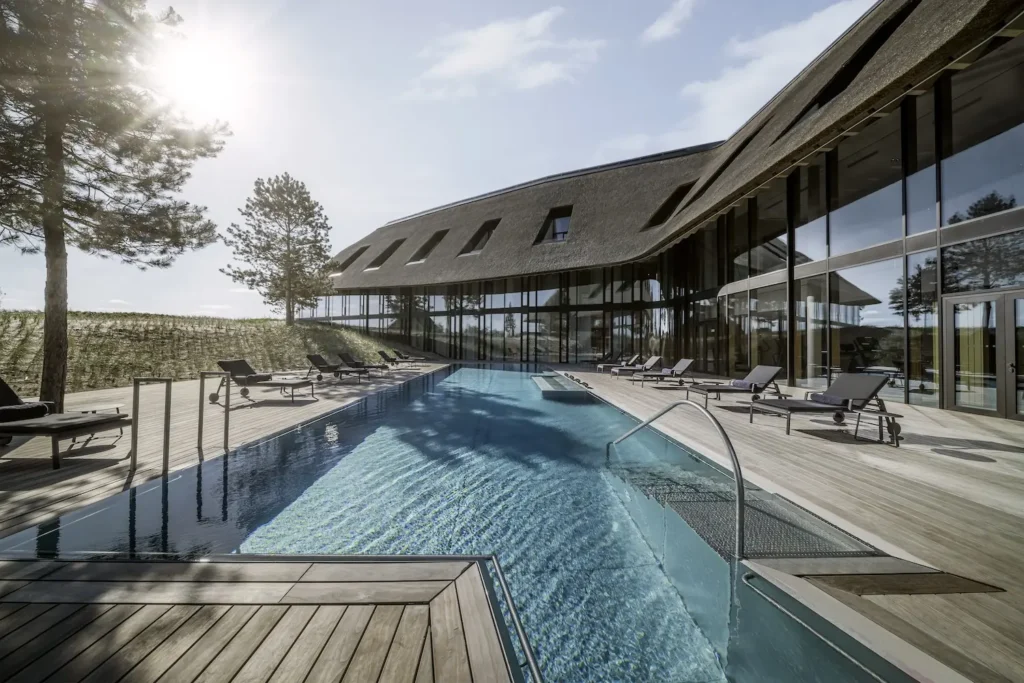
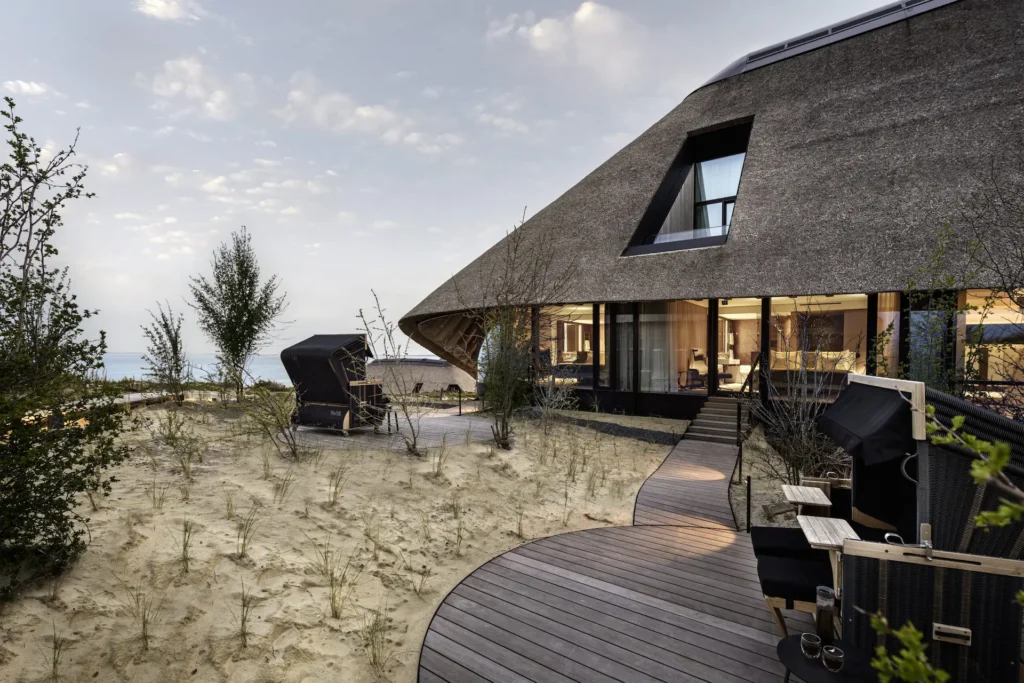
Lanserhof Sylt does not announce itself loudly. Approaching through the dunes of List, the structure appears almost camouflaged, its monumental thatched roof dissolving into the surrounding landscape. Designed by Christoph Ingenhoven and his studio, the building is widely cited as housing Europe’s largest contiguous thatched roof—a contemporary feat that pays homage to traditional Frisian architecture while reinterpreting it at an almost sculptural scale.
The roof is more than symbolic. It insulates, shields from wind, and visually anchors the building to the island’s elemental geography. From a distance, the hotel-clinic feels grounded, horizontal, deliberately resistant to vertical drama. It does not compete with the landscape; it submits to it.
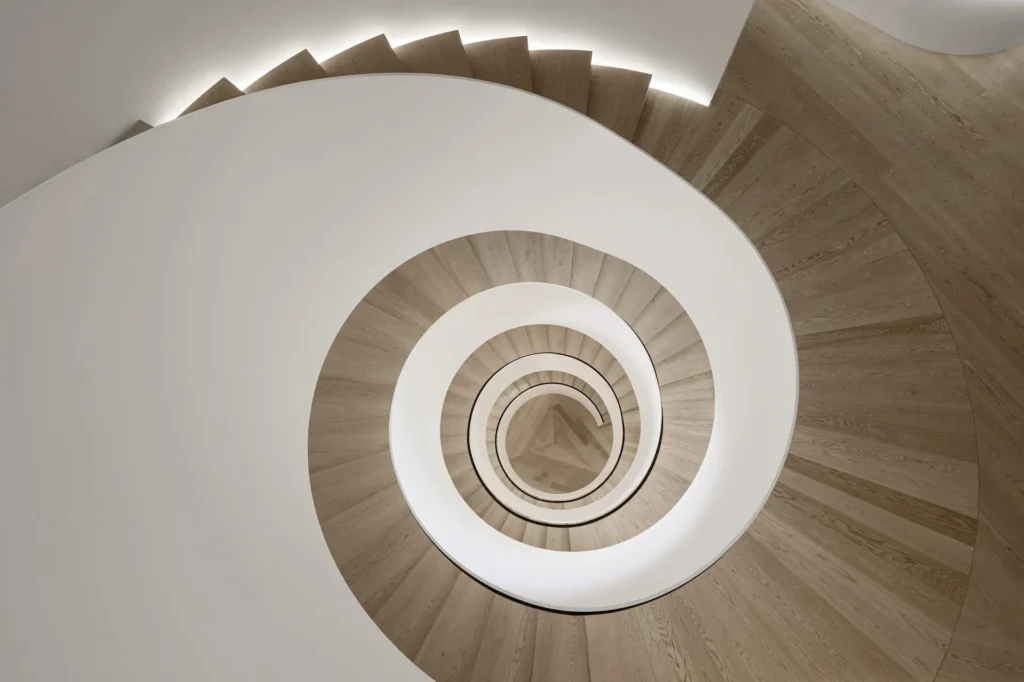
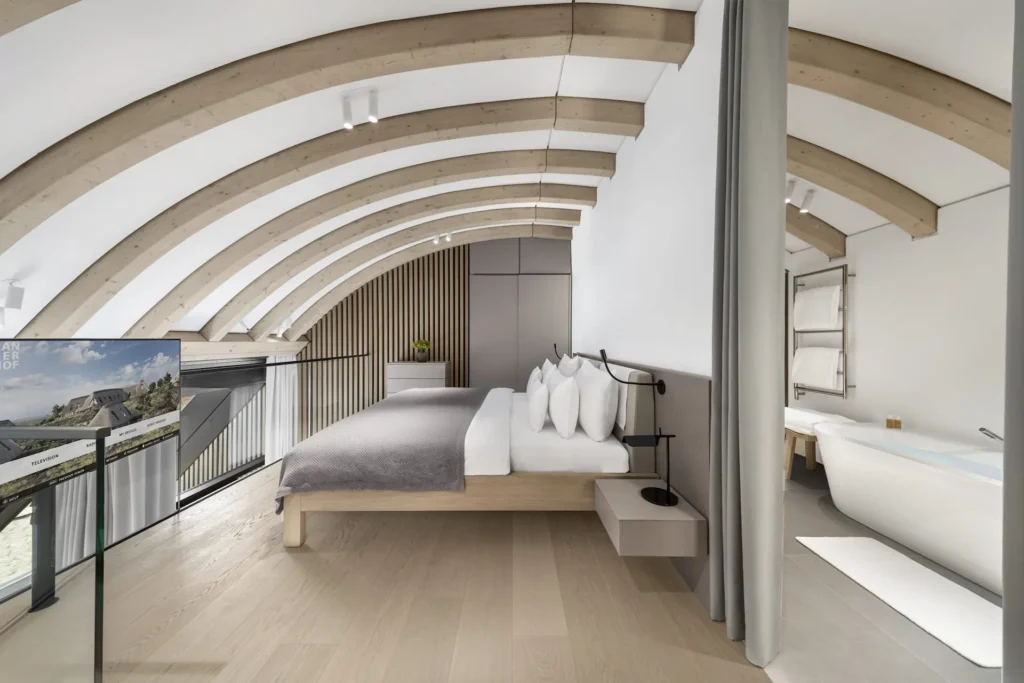
Inside, the design language continues with near-monastic consistency. Pale oak floors, limestone hues, soft plaster walls, and gently curved corridors create an atmosphere of controlled calm. There are no sharp contrasts, no decorative distractions. Furniture is low-slung, tactile, intentionally understated. Light—natural where possible, diffused where not—is treated as a material in its own right.
This is not minimalism as trend, but minimalism as method. Every design decision seems calibrated to reduce sensory load, allowing guests to transition—almost unconsciously—into a slower physiological state. The building does not impress you; it conditions you.
Design as part of the medical philosophy
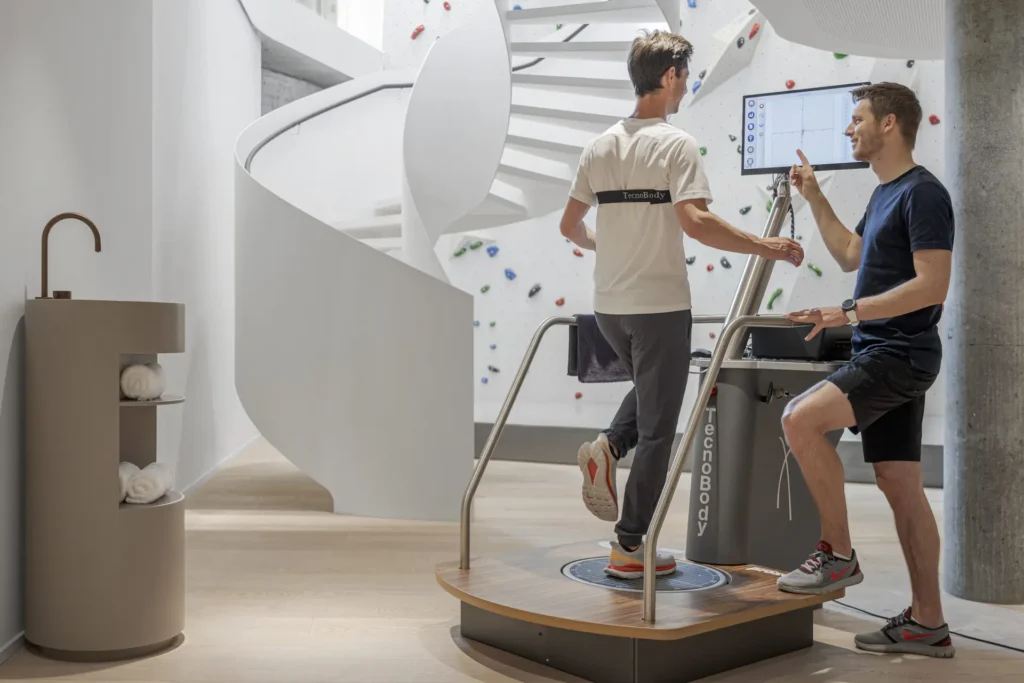
The spatial organization mirrors the Lanserhof worldview. Public areas—reception, lounges, restaurant—occupy the main level, offering social contact without overstimulation. Guest rooms above are restrained and deeply quiet, designed primarily for sleep quality and recovery. Below ground, the bathing world and fitness areas unfold with a clinical logic: saltwater pools, hydrotherapy zones, and movement spaces focused on circulation, musculoskeletal health, and regeneration.
Nothing feels indulgent for its own sake. Even beauty here is functional.
The doctors: precision without ego
At the heart of Lanserhof Sylt is its medical team, whose presence decisively separates the experience from luxury wellness theater. Among them is Dr. Jan Stritzke, a physician whose work reflects the Lanserhof ethos with particular clarity: preventative, analytical, and deeply individualized.
Consultations with Dr. Stritzke are not rushed, nor are they abstract. They are rooted in data—blood values, metabolic measurements, cardiovascular diagnostics—but also in conversation. Lifestyle, stress patterns, sleep quality, digestion, movement habits: everything is examined as part of a larger system. The goal is not to treat illness in isolation, but to identify the small, cumulative imbalances that compromise long-term health.
This approach is central to Lanserhof’s longevity philosophy. Aging, as framed here, is not simply the passage of time. It is the gradual accumulation of inflammatory processes, metabolic inefficiencies, and nervous system overload. Doctors like Stritzke operate as translators—turning complex diagnostics into actionable insight.
What stands out is the absence of theatrics. There is no overuse of futuristic jargon, no promise of shortcuts. Instead, there is rigor, explanation, and an insistence on responsibility—shared between physician and guest.
The Lanserhof cure: discipline, refined
The classic holistic week, which I undertook in August, represents Lanserhof Sylt in its most distilled form. It is a program defined by structure. Days unfold according to a rhythm designed to support circadian alignment, metabolic recalibration, and digestive recovery.
Treatments are prescribed, not chosen. Abdominal therapies—arguably Lanserhof’s most distinctive intervention—are central, rooted in the belief that gut health underpins nearly every other system in the body. These treatments aim to stimulate digestion, reduce inflammation, and support detoxification pathways.
Interval oxygen training targets cellular efficiency, improving oxygen uptake and mitochondrial function—key concerns in longevity medicine. Physiotherapy, reflexology, lymphatic treatments, and guided movement sessions address structural balance and circulation. Group activities are quiet, deliberate, and intentionally non-competitive.
Nutrition is where the program’s discipline becomes most visible. Meals are small, precise, and consumed slowly. Chewing is prescribed. Silence is encouraged. The absence of caffeine, alcohol, sugar, and processed foods is absolute. Initially, this can feel severe. But within days, the body adapts. Hunger becomes clearer, energy steadier, digestion lighter.
Importantly, this is not deprivation for its own sake. It is a controlled metabolic environment designed to reduce insulin spikes, support autophagy, and allow inflammatory processes to settle—principles well aligned with contemporary longevity research.
Measurable change, not vague transformation
By the end of the week, the effects were tangible. Medical results showed improvement. Energy levels shifted. Sleep deepened. Mental clarity sharpened. This is where Lanserhof Sylt makes its strongest case: the experience is validated by diagnostics, not just subjective well-being.
Doctors discuss results openly, explaining what has changed and what still requires attention. A follow-up call months later reinforces the idea that the stay is not an endpoint, but an intervention—a reset that must be integrated into daily life.
The island as silent collaborator
Sylt itself functions as an unspoken co-therapist. The island’s climate—windy, saline, constantly changing—demands presence. Walks through the dunes or along the Wadden Sea are not framed as leisure, but as part of the therapeutic ecosystem. Natural light exposure, movement on uneven terrain, and sensory engagement with the elements support nervous system regulation in ways no treatment room can replicate.
This is wellness without escapism. You are not insulated from the world; you are reintroduced to it more attentively.
Beyond the stay: continuity by design
Lanserhof’s product line—available online—extends the philosophy beyond the clinic. Skincare is clinical and barrier-focused rather than trend-driven. Food products, from buckwheat mixes to teas, oils, and bitter drops, reflect the nutritional principles taught on-site. These are not souvenirs; they are practical tools designed to support continuity.
The restraint is telling. Nothing is positioned as miraculous. Everything assumes participation.
A concluding assessment
Lanserhof Sylt is not soft wellness. It is not indulgence disguised as health. It is a rigorously designed environment—architecturally, medically, philosophically—dedicated to extending healthspan rather than chasing youth.
Its greatest luxury is coherence: between building and body, doctor and patient, discipline and care. In a culture increasingly obsessed with longevity as performance, Lanserhof Sylt offers something quieter and far more persuasive—a system that works because it asks less, not more.
Longevity, here, is not promised. It is practiced.